Table Of Contents:
- Seasonal Roof Maintenance Tips From a Commercial Roofing Contractor for Long-Lasting Roofs
- What Are the Essential Spring Roof Maintenance Tasks for Commercial Buildings?
- How Can Summer Roof Maintenance Protect Commercial Roofs From Heat Damage?
- What Fall Roof Maintenance Steps Prepare Commercial Roofs for Winter?
- How Does Winter Roof Maintenance Prevent Snow and Ice Damage on Commercial Roofs?
- Why Is Proactive Seasonal Roof Maintenance Important for Commercial Properties?
- What Specialized Knowledge Does a Commercial Roofing Contractor Bring to Seasonal Maintenance?
- How to Choose the Right Commercial Roofing Contractor for Seasonal Maintenance?
- Frequently Asked Questions
Seasonal Roof Maintenance Tips From a Commercial Roofing Contractor for Long-Lasting Roofs
Commercial roofs are among the most critical assets for any business property because they protect valuable inventory, equipment, and personnel from the elements. A well‐maintained commercial roof provides secure, energy‐efficient shelter while reducing the risk of water intrusion and other costly damages. Seasonal maintenance extends a roof’s lifespan and improves its performance during unpredictable weather changes. As commercial roofing contractors know, each season presents unique challenges—from winter’s snow and ice, to summer’s intense heat, to fall’s unexpected rains that can lead to situations requiring storm damage repair. This article details the essential seasonal tasks for maintaining commercial roofs so that business owners can minimize downtime, avoid emergency repairs (such as storm damage repair), and secure their investments with proactive roof care. By discussing inspection processes, debris removal, repair scheduling, and the benefits of routine maintenance—including guidelines for storm damage repair—this guide offers actionable insights based on industry standards and contractor expertise. The following sections explore what to do in spring, summer, fall, and winter while highlighting the advantages of partnering with experienced commercial roofing professionals.
Throughout these guidelines, practical recommendations are supported by quantifiable data and real-world examples that demonstrate the positive impact of seasonal maintenance on roof longevity. Detailed explanations help business owners—even those managing warehouses or corporate office buildings—understand why these interventions are necessary. Regular roof inspections, cleaning gutters, timely leak repairs, and implementing anticipatory maintenance are not optional but essential for a durable and reliable roofing system. Partnering with certified roofing contractors ensures maintenance meets local building codes, extends asset life, and reduces long-term costs.
Transitioning into actionable seasonal advice, the following sections detail the tasks required during each season as well as the benefits of proactive roof management.
What Are the Essential Spring Roof Maintenance Tasks for Commercial Buildings?
Spring marks the start of the maintenance season. After harsh winter weather, it is critical to inspect the roof for damage, clean away debris, and address minor issues before they escalate.
How to Inspect Your Roof for Winter Damage Effectively
Start with a comprehensive walk-around inspection, looking for cracked, broken, or missing shingles (for asphalt roofs) and signs of bulging, blistering, or water staining in metal or flat roofs. Contractors use visual checks, close-up assessments of vulnerable areas (roof perimeter, valleys, and around mechanical penetrations), and advanced tools like high-resolution drones and infrared cameras to detect moisture intrusion. Documenting signs of cold-weather stress—such as damage from fallen ice or heavy debris—is essential, as early inspections can reduce repair costs by up to 35%. The resulting report guides further repair, maintenance, or replacement decisions.
Why Is Debris Removal and Gutter Cleaning Critical in Spring?
Debris such as leaves, twigs, and ice remnants can block proper water drainage, leading to water pooling and potential leaks. Regular cleaning of debris and gutters ensures water flows off the roof uninterrupted, reducing leak risks and structural loosening. Additionally, removing moss or algae growth prevents premature deterioration of protective layers. Analyses suggest that thorough spring cleaning can reduce the risk of expensive water damage by up to 40%, while also improving the efficiency of maintenance tasks like sealant reapplications and roof coatings.
When Should You Schedule Leak Repairs After Winter?
After inspection and cleaning, any detected leaks or minor damages must be promptly repaired. Signs include water stains, bubbling under roofing membranes, or slight interior discoloration. Commercial roofing contractors recommend immediate scheduling of repairs rather than waiting for further weather challenges. Prompt intervention can extend the roof’s life by up to 20% and save significant replacement costs.
To summarize the essential spring tasks:
A coordinated spring maintenance plan lays the foundation for year-round roof performance.
How Can Summer Roof Maintenance Protect Commercial Roofs From Heat Damage?

In summer, high temperatures and UV exposure can cause blistering, cracking, and buckling in roofing materials. Proactive summer maintenance prevents these issues from escalating.
What Are the Signs of Heat-Related Roof Damage Like Blistering or Cracking?
Look for blistering on the roof surface, visible cracks, or a spongy texture beneath the surface. These signs indicate that trapped moisture is vaporizing and causing damage. Unaddressed heat damage can reduce a roof’s efficiency by up to 30%, and detailed structural analysis may be required if damage is visible.
How to Maintain Roof Coatings and Materials During Hot Weather
After spring repairs, conduct a complete review and cleaning of roof coatings. Apply high-quality, heat-resistant sealants and coatings that reflect UV light and reduce surface temperatures. Studies indicate that selective re-coating can lower interior temperatures by up to 15°F, contributing to energy savings. These coating procedures should be repeated every 12 to 18 months, depending on the climate and materials.
Why Is Regular Roof Ventilation Important in Summer?
Effective roof ventilation allows hot air to escape, reducing heat buildup under the roof. Poor ventilation accelerates material deterioration and shortens roof life. Ensuring that all vents (exhaust, ridge, and soffit) are unblocked improves cooling efficiency and can reduce energy bills by 10–15%. Regular checks and cleaning of ventilation ducts are key components of a comprehensive summer maintenance plan.
Key summer maintenance actions include:
- Coating Maintenance: Reapply heat-resistant coatings to maintain surface integrity.
- UV Protection: Use UV-blocking additives to minimize material degradation.
- Ventilation Checks: Ensure all vents are clear for optimal airflow.
- Thermal Imaging Inspections: Identify hot spots early to target repairs.
- Regular Cleaning: Remove dust and organic growth to sustain reflectivity.
- Moisture Barrier Verification: Reinforce barriers to protect insulation.
- Reflective Surface Treatments: Enhance reflectivity to lower roof temperatures.
The following table summarizes summer maintenance tactics:
Proactive summer measures help maintain roof performance and prepare the structure for more moderate seasonal changes.
What Fall Roof Maintenance Steps Prepare Commercial Roofs for Winter?
Fall is the time to prepare the roof for winter. Contractors address summer-induced damage and ready the roof for freezing conditions, heavy snow, and ice.
How to Clean and Inspect Roofs for Fall Debris and Damage
Fall maintenance begins with thorough cleaning to remove leaves, branches, and other organic debris that hold moisture and can freeze. A detailed inspection checks for signs of material weakening, fissures, or cracking from summer stress, and ensures that flashings and seals remain intact. Advanced tools such as drones and high-resolution photography enhance the accuracy of these inspections.
Clean roofs reduce freeze-thaw damage risks by nearly 40% and allow for scheduling preventative repairs that save money in the long term. Renewing faded sealants and coatings improves waterproofing and UV resistance to better repel winter challenges.
Why Is Ensuring Proper Drainage Critical Before Winter?
Effective drainage prevents water pooling and the formation of ice dams. Ice dams occur when melting snow refreezes at the roof edges, causing water backup and potential leaks. Cleaning gutters, downspouts, and drains is essential. In some cases, roofers may conduct water flow simulations or pressure tests to ensure optimal water diversion. Proper drainage preparation can prevent repair costs from rising by as much as 25% if left unaddressed.
When Should You Schedule Preventative Repairs in Fall?
Fall’s moderate temperatures allow for easy repair applications such as re-caulking, reinforcing flashings, or minor re-coating. Preventative repairs during fall extend a roof’s life by about 15% and can reduce winter emergency repairs by up to 50%. By scheduling repairs in the fall, property owners avoid the high-demand winter repair season and mitigate further damage.
The checklist below summarizes key fall maintenance tasks:
A well-planned fall maintenance program is pivotal in preparing commercial roofs for winter’s challenges.
How Does Winter Roof Maintenance Prevent Snow and Ice Damage on Commercial Roofs?

Winter roof maintenance focuses on mitigating the stress caused by heavy snowfall, ice storms, and freezing temperatures. Strategic care protects the roof membrane and structure from damage.
What Are the Best Practices for Managing Snow and Ice Buildup?
Timely snow removal is essential to prevent excessive accumulations that increase structural stress. Commercial roofing contractors recommend using specialized equipment and, where appropriate, installing roof heating elements to gently melt snow and avoid ice dam formation. Preventive snow clearing can reduce winter leak incidences by nearly 50%. Additionally, monitoring weather forecasts and scheduling regular post-snowfall inspections can catch small issues before they escalate.
How to Identify and Prevent Ice Dams on Commercial Roofs
Ice dams form when melting snow is unable to drain due to poor insulation or blocked gutters and subsequently refreezes at the roof edges. Close observation for icicles and thick ice rims is key. Improving attic insulation, ensuring vents are clear, and confirming proper roof slope for drainage are effective preventive measures. If immediate insulation improvements are not feasible, applying de-icing agents or using heated cables along eaves can serve as temporary solutions. Comprehensive ice dam prevention strategies can cut winter leak claims by up to 60%.
When Should You Call a Professional for Winter Roof Issues?
Minor snow or ice issues may be managed in-house; however, recurring leaks, extensive ice dams, or noticeable coating deterioration should prompt a call to a professional. Commercial roofing contractors have the specialized tools and expertise to safely remove snow, manage ice, and assess hidden structural damage. Timely intervention can reduce long-term repair costs by approximately 35% and ensure overall roof integrity throughout the winter season.
The table below outlines key winter maintenance practices:
Comprehensive winter maintenance helps commercial buildings reduce snow and ice damage, maintain operational continuity, and lower emergency repair costs.
Why Is Proactive Seasonal Roof Maintenance Important for Commercial Properties?
Proactive seasonal maintenance directly extends roof lifespan, reduces repair costs, and minimizes business downtime. Regular care pre-empts major failures and ensures the roofing system operates efficiently year-round. Commercial roofing contractors compare ongoing maintenance to regular health check-ups—it identifies and addresses issues before they lead to severe deterioration or financial loss.
How Does Regular Maintenance Extend Roof Lifespan?
Routine inspections, cleaning, and preventive repairs correct small defects—such as loose fasteners, minor sealant degradation, or slight membrane punctures—before they develop into major structural issues. Studies show that systematic maintenance can extend roof life by up to 25% compared to reactive approaches. Upgraded materials and coatings further protect against environmental stressors, enhancing both durability and property value. Detailed maintenance records also support insurance and future renovation needs.
What Are the Cost Savings of Preventative Roof Care?
Preventative maintenance reduces the likelihood of costly emergency repairs or complete roof replacements. Studies suggest that addressing minor issues regularly can cut annual repair expenditures by 30% to 50%. A small leak fixed during a spring inspection may cost only a few hundred dollars, whereas neglect can lead to thousands in damages. Additionally, improved insulation and ventilation from regular maintenance lower energy costs.
How Does Maintenance Minimize Business Downtime?
Unexpected roof failures can disrupt operations significantly, especially in retail, hospitality, or industrial sectors. Proactive maintenance minimizes downtime by addressing issues before adverse weather or unforeseen events occur. By securing the roof and ensuring safety, businesses avoid costly disruptions and continue operating smoothly with minimal interruptions.
The following table compares proactive and reactive maintenance approaches:
Investing in a proactive maintenance schedule is a strategic decision that provides lasting operational and financial benefits.
What Specialized Knowledge Does a Commercial Roofing Contractor Bring to Seasonal Maintenance?
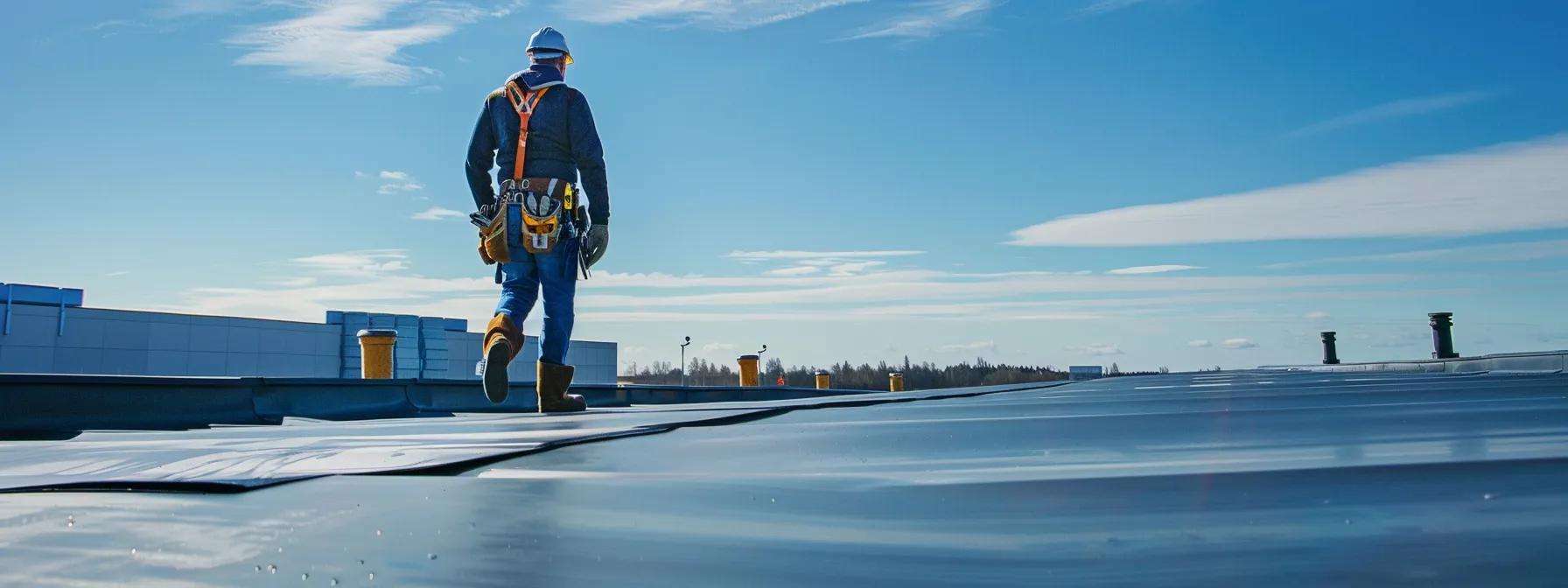
Commercial roofing projects require specialized expertise that professional contractors possess. Unlike residential roofing, commercial roofs involve complex designs, varied materials, and strict adherence to building codes. Experienced contractors understand the unique seasonal challenges—thermal expansion, drainage issues, and repairs around penetrations like skylights and HVAC units—and tailor maintenance strategies accordingly.
How Do Commercial Roofing Systems Differ From Residential Ones?
Commercial roofs are generally larger and use materials such as TPO, EPDM, metal, and modified bitumen, which demand specific maintenance techniques. While residential roofs often use asphalt shingles, commercial roofs typically feature multi-layer membranes, built-up roofs (BUR), and advanced insulation systems. This complexity requires a detailed understanding of material properties, installation methods, and local weather patterns.
What Local Building Codes and Compliance Issues Affect Roof Maintenance?
Regional building codes and compliance regulations affect maintenance protocols. Commercial roofing contractors stay updated on standards related to fire resistance, insulation, accessibility, and environmental impact. They develop maintenance plans that align with manufacturer recommendations and local guidelines, ensuring that all repairs meet requisite codes and documented records are maintained for regulatory and insurance purposes.
How Do Contractors Tailor Maintenance Plans to Different Commercial Roof Types?
Maintenance plans are customized based on the roof system, geographic location, historical performance, and building operations. For example, a metal roof on an industrial warehouse may require frequent inspections for corrosion, while a flat TPO roof on an office building focuses on drainage and membrane repairs. Advanced tools like thermal imaging and moisture meters help contractors determine the optimal maintenance frequency and interventions, ensuring that each roof receives the care it needs.
Key considerations for tailored maintenance include:
- Material-Specific Treatments – Custom solutions for TPO, EPDM, metal, and BUR roofs.
- Regional Climate Factors – Adjusting frequencies based on weather extremes.
- Operational Impact – Scheduling repairs during off-peak hours.
- Historical Performance Data – Using past records to predict future issues.
- Regulatory Compliance – Meeting local codes and warranty requirements.
- Cost-Benefit Analysis – Balancing repair frequency with long-term savings.
- Preventive Upgrades – Incorporating modern enhancements like roof coatings and improved insulation.
By integrating these elements, commercial roofing contractors deliver maintenance that is both efficient and effective for long-term asset protection.
How to Choose the Right Commercial Roofing Contractor for Seasonal Maintenance?
Selecting the right commercial roofing contractor is critical for ensuring long-lasting roof performance. A contractor with proven expertise not only performs routine maintenance but also offers strategic advice on preventive measures and repair priorities that align with long-term goals.
What Questions Should You Ask Before Hiring a Contractor?
When evaluating contractors, ask about their experience with your specific roofing material, request client testimonials, and verify their knowledge of local building codes and compliance regulations. Inquire whether they provide a detailed maintenance plan with clear timelines, safety procedures, and proof of insurance. Request a free roof inspection and estimate for comparison.
How to Evaluate Contractor Experience and Certifications
Review the contractor’s portfolio, check references, and confirm certifications such as NRCA membership. Membership in local trade associations and Better Business Bureau ratings further indicate reliability. Comprehensive warranties on workmanship and materials are also important.
What Are the Signs of a Reliable Seasonal Roof Maintenance Program?
A solid program offers detailed documentation of past inspections and repairs, periodic maintenance schedules aligned with seasonal changes, and uses advanced tools like thermal imaging and moisture meters. Transparent communication, follow-up inspections after major weather events, and warranty-backed services signal quality. Reviews and testimonials from other commercial property managers can also provide confidence.
The table below assists in evaluating contractors:
By asking the right questions and thoroughly evaluating these factors, business owners can select a contractor who will maintain roof integrity across all seasons with consistent, high-quality service.
Frequently Asked Questions
Q: How often should I schedule a professional roof inspection for my commercial building? A: It is recommended to schedule inspections at least twice a year—typically during spring and fall—when significant weather transitions occur. Regular inspections help detect early damage and support warranty compliance.
Q: Can I perform any of the seasonal maintenance tasks myself? A: While minor tasks like debris removal can sometimes be handled in-house, technical tasks such as detailed inspections, leak repairs, and coating applications require professional expertise to avoid further damage or safety issues.
Q: What are the key benefits of proactive seasonal roof maintenance for commercial properties? A: Proactive maintenance extends roof lifespan, reduces repair costs, minimizes business downtime, and enhances energy efficiency through effective insulation and ventilation. It also ensures better communication with insurers and compliance with local regulations.
Q: How do seasonal maintenance tasks vary between different roof types? A: Maintenance tasks differ based on roofing materials and design. Metal roofs may need frequent inspections for corrosion, while flat roofs (TPO or EPDM) typically focus on drainage and membrane integrity. Contractors customize maintenance plans according to the roof’s unique exposures and performance history.
Q: What should I look for in a maintenance contract with a commercial roofing contractor? A: A reliable contract should outline a detailed schedule of inspections, cleaning, and repairs tailored to seasonal changes. Look for clarity on warranty terms, pricing structures, and escalation processes for emergency repairs to ensure ongoing, proactive care.