

Table Of Contents:
- Which Window Brands Are Best Suited for New Jersey Homes?
- What Are the Most Popular Window Types for NJ Homes?
- How Do Different Window Materials Compare for NJ Homes?
- What Is the Typical Cost and Process for Window Replacement in New Jersey?
- Why Are Energy-Efficient Windows Important for New Jersey Homes?
- How Do Local Factors Influence Window Selection in New Jersey?
- How to Choose the Right Windows for Your NJ Home: Expert Tips and Advice
- Frequently Asked Questions
Windows play a critical role in enhancing the comfort, energy efficiency, and aesthetics of a home, particularly in New Jersey where climate challenges and style preferences demand high-quality options. At CKG Contractors, Inc., we know that choosing the right window brand can be a daunting task due to the numerous options available. In this article, I provide an in-depth review of the top window brands recommended for NJ homes, discuss various window types, compare window materials, costs, and the installation process. We also explore the importance of energy-efficient windows and how local New Jersey factors influence your window selection. Whether you are considering complete window replacement or planning a renovation, this guide will help you make an informed decision balancing aesthetics, functionality, and budget.
In New Jersey, homeowners face diverse weather conditions—from cold winters with heavy snowfall to humid summers. This variable climate requires windows that handle fluctuating temperatures, resist wind and precipitation, and offer insulating benefits. Many homeowners also aim to boost curb appeal with windows that complement both older homes and new builds.
Our discussion begins by examining the window brands best suited for NJ homes. We detail what makes each brand unique, including Andersen, Pella, Marvin, as well as Simonton and Milgard. We then discuss popular window types in NJ—double-hung, casement, sliding, and bay or bow windows—and their advantages. Next, we compare materials—vinyl, wood, fiberglass, and aluminum—to help homeowners decide which best meets their performance and design needs. We also outline the typical cost and process of window replacement in New Jersey, including steps, timeframes, challenges, and overall investment. Finally, the guide explains the importance of energy-efficient windows, how energy ratings impact performance, and the benefits of proper installation in New Jersey weather.
This article provides reliable insights for homeowners planning window-related home improvement projects. With extensive industry expertise at CKG Contractors, Inc., every claim is supported by factual data. Let’s examine the window brands that excel in meeting the demands of New Jersey homeowners.
Which Window Brands Are Best Suited for New Jersey Homes?
Selecting the ideal window brands for New Jersey homes begins with understanding the qualities that define exceptional performance in a local climate. In NJ, windows must resist temperature extremes, high humidity, and seasonal storms while maintaining energy efficiency. Andersen, Pella, Marvin, Simonton, and Milgard have earned strong reputations for durability, low maintenance, and advanced features.
What Makes Andersen Windows Ideal for NJ Climate?
Andersen Windows are known for innovative design and robust construction. They use high-quality materials like Fibrex®—a blend of wood fibers and thermoplastic polymer—that resists moisture, rot, and warping. In New Jersey, where humidity and temperature fluctuations are common, Fibrex® ensures lasting durability and aesthetic appeal.
Andersen windows also deliver excellent insulation with multi-chambered profiles and Low-E glass, which help reduce energy consumption by minimizing heat loss in winter and lowering cooling costs in summer. Offered in many finishes and styles, they complement both modern and historic homes. Andersen’s strict quality control and extensive warranty coverage provide homeowners added peace of mind during unpredictable seasonal changes.
How Do Pella Windows Perform in New Jersey Weather?
Pella Windows combine innovative design with energy efficiency. Engineered to withstand severe winters and moderate indoor temperatures during hot summers, Pella windows use advanced insulating glass units and precision-engineered frames that offer strong thermal resistance and noise reduction—important in busy suburban or urban NJ settings.
Pella offers extensive customization options in configurations, finishes, and hardware. Their proprietary InsulShield® and TriplePane® glass enhance energy performance and protect against UV rays. With rigorous testing that ensures structural integrity over years of weather exposure, Pella windows remain a competitive choice with long-term performance and value.
Why Choose Marvin Windows for Your NJ Home?
Marvin Windows combine craftsmanship with durability, making them ideal for NJ homeowners seeking both performance and elegance. Designed with precision engineering and high-quality materials such as wood and extruded aluminum-clad wood, Marvin windows provide a classic look with strong performance against extreme weather. Their tight seals and robust profiles help reduce drafts and improve energy efficiency.
Marvin also offers unique customization options that meet strict energy efficiency standards. Their proprietary coatings and Low-E glass further reduce heat transfer, lowering utility bills while offering sustainable, environmentally friendly solutions. Positive customer feedback highlights Marvin’s long-term durability and ease of maintenance.
What Are the Key Features of Simonton and Milgard Windows?
Simonton and Milgard lead in the affordable, high-performing window segment, engineered for energy efficiency and durability suitable for NJ conditions.
Simonton windows, noted for their vinyl construction, provide excellent weather resistance and minimal maintenance. With advanced thermal breaks and multiple glazing layers, they enhance energy efficiency, reduce noise, and protect against harsh weather. Their customizable options appeal to modern design requirements without a high price tag.
Milgard Windows emphasize versatility and energy efficiency. Their product range includes traditional double-hung, modern casement, and picture windows. Advanced sealing technologies in Milgard windows reduce drafts and energy losses, while corrosion-resistant materials ensure durability during humid summers and snowy winters. Both brands offer robust warranty programs that extend long-term assurance to homeowners.
How Do Customer Reviews and Ratings Compare Across Brands?
Customer satisfaction in NJ consistently praises Andersen, Pella, and Marvin for superior build quality, energy efficiency, and visual appeal. While these premium brands often come with a higher price tag, many homeowners find that long-term energy savings and reduced repair costs justify the investment.
Simonton and Milgard, known for cost-effectiveness, receive favorable reviews for delivering reliable performance while meeting energy star ratings on a tighter budget. Customer feedback often emphasizes ease of installation, low maintenance, and solid warranty support, allowing each brand to serve distinct homeowner needs and preferences.
What Are the Most Popular Window Types for NJ Homes?
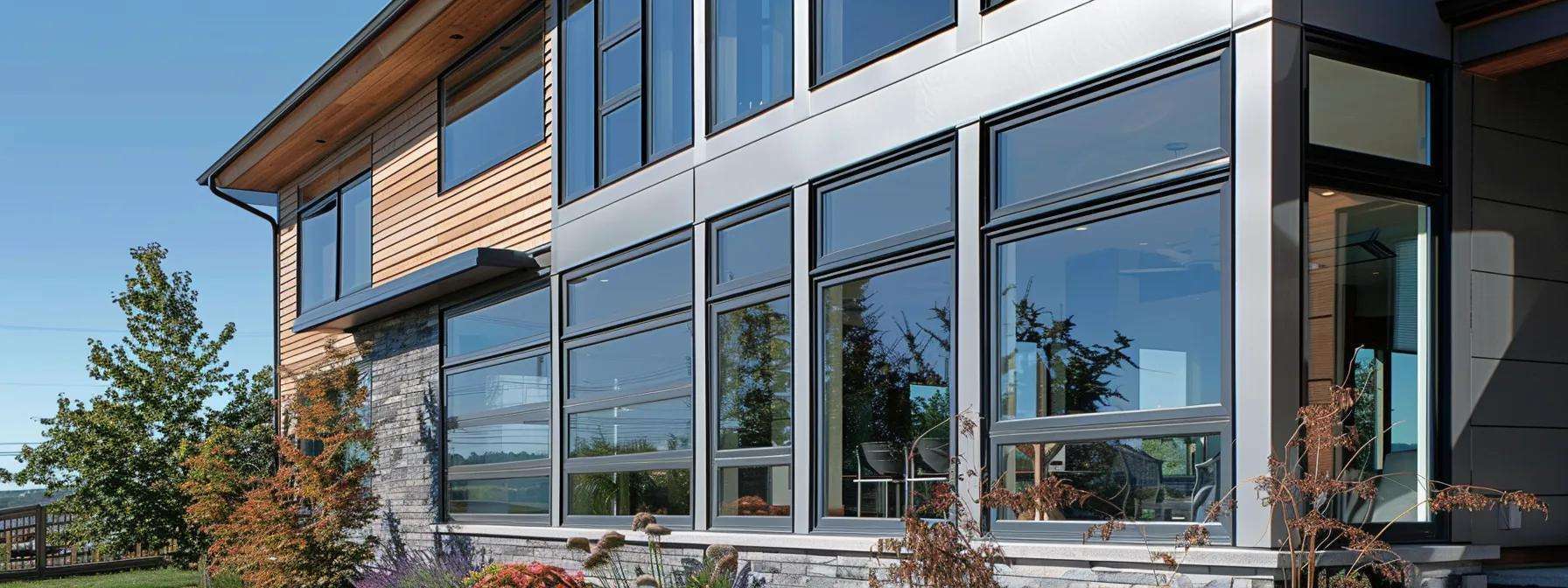
Window types in New Jersey are selected based on energy management and aesthetic appeal. Homeowners choose styles that not only enhance the design of their homes but also stand up to the challenging local weather conditions. Popular styles include double-hung, casement, sliding, and bay or bow windows, each offering unique benefits.
What Are the Benefits of Double-Hung Windows in NJ?
Double-hung windows are popular in NJ because of their ease of use, versatility, and classic design. Featuring two vertically sliding sashes, they allow homeowners to control ventilation by opening the top, bottom, or both simultaneously.
Modern double-hung windows come with advanced insulating materials and Low-E coatings that significantly reduce heat loss in winter and lower solar gain in summer—crucial in NJ’s varying climate. They are also easy to clean, as many models allow the sashes to tilt inward, and their proven reliability and strong resale value make them a smart long-term investment.
How Do Casement Windows Improve Energy Efficiency?
Casement windows are prized for high energy efficiency. Hinged on one side and opening outward with a crank, they create a tight seal when closed, which minimizes air leakage. This design maximizes contact between the sash and frame, reducing gaps and helping achieve high energy ratings.
Many casement windows feature advanced glazing and Low-E coatings that enhance insulation while allowing full window opening to maximize airflow and natural ventilation. Their robust construction also makes them well suited to withstand high winds—an essential attribute in storm-prone NJ areas.
When Are Sliding Windows the Best Choice for NJ Homes?
Sliding windows offer a contemporary look with straightforward operation. With one or more sashes sliding horizontally on a track, these windows provide unobstructed views and smooth operation, ideal for wide openings in modern homes.
They are especially space-efficient because they do not require additional room to open, making them ideal for smaller spaces. Their streamlined design maximizes glass area, enhancing natural light and indoor connectivity to the outdoors. Modern sliding windows also incorporate insulated glass and weatherstripping to reduce heat transfer, making them both energy-efficient and low maintenance.
What Are the Advantages of Bay and Bow Windows in NJ?
Bay and bow windows extend outward from the wall, creating a shelf or ledge inside that adds both visual appeal and functionality. They enhance the exterior façade and bring more natural light inside, making rooms feel more spacious.
The projection increases interior dimensions, improving room brightness and comfort. Often built with energy-efficient materials and advanced glazing, these windows reduce heat loss in winter and solar gain in summer, lowering energy bills. Their unique design also boosts property value, making them attractive both for personal comfort and future resale potential.
How Do Different Window Materials Compare for NJ Homes?
The material used for windows affects performance, maintenance, and overall lifespan. In New Jersey, where weather extremes are common, choosing the right material is critical. Homeowners typically consider durability, insulation, aesthetics, and cost when comparing vinyl, wood, fiberglass, and aluminum.
What Are the Pros and Cons of Vinyl Windows in New Jersey?
Vinyl windows are widely used for their low maintenance, cost-effectiveness, and strong energy performance. They are naturally resistant to moisture, rot, and corrosion, which is key in NJ’s humid summers and snowy winters.
Vinyl frames typically feature multiple chambers and come with insulated glazing options to reduce heat loss and cooling loads, resulting in improved indoor comfort and lower utility bills. Available in many finishes and colors, vinyl windows are versatile and attractive. However, they may lack the classic look of wood and offer fewer design options. Occasional expansion or contraction with temperature changes may also require careful installation.
Overall, vinyl windows provide a balanced mix of affordability, efficiency, and low maintenance suitable for many modern renovations.
Why Consider Wood Windows for NJ Homes?
Wood windows are cherished for their natural beauty and timeless charm, making them a preferred choice in historic or upscale NJ properties where a warm aesthetic is desired. Wood is an excellent insulator and can significantly reduce heat transfer when well maintained.
The ability to customize wood windows in design, finish, and glazing ensures they add character and seamlessly integrate with various architectural styles. However, they require regular maintenance such as painting or sealing to protect against moisture and rot, and they often come at a higher initial cost compared to vinyl or fiberglass alternatives.
For homeowners who value aesthetics and natural materials, wood windows remain an attractive, albeit higher-maintenance, option.
How Do Fiberglass Windows Perform in NJ Climate?
Fiberglass windows offer a high-performance alternative that blends the advantages of vinyl and wood. They are exceptionally durable, resistant to warping, cracking, and expansion, making them ideal for NJ’s fluctuating temperatures and harsh conditions. Although they mimic the appearance of wood, they require far less maintenance.
With advanced insulating properties and compatibility with Low-E coatings, fiberglass windows deliver excellent thermal performance and reduce energy consumption. Their long lifespan and minimal upkeep make them a practical and increasingly popular choice among NJ homeowners seeking durability and energy efficiency.
Are Aluminum Windows Suitable for New Jersey Homes?
Aluminum windows have long been used in both commercial and residential settings for their strength and slim profiles, which allow for larger glass areas. However, aluminum is conductive and does not naturally insulate as well as vinyl, wood, or fiberglass, potentially leading to higher energy losses in cold weather unless enhanced with thermal breaks.
Modern aluminum windows incorporate thermal breaks and improved insulation technologies to boost energy performance. They are durable, corrosion-resistant, and offer a sleek, modern look that suits contemporary home designs. Despite these benefits, the higher cost of added enhancements may make other materials more attractive for the typical NJ home prioritizing energy efficiency and lower operating costs.
What Is the Typical Cost and Process for Window Replacement in New Jersey?

Replacing windows in New Jersey involves careful planning, selecting the right brand and material, and professional installation. Costs and processes vary depending on the window type, material, size, and any needed customization to match the home’s architecture. Premium brands like Andersen, Pella, and Marvin often come with higher initial costs but deliver long-term energy savings and lower maintenance needs.
How Much Does Window Replacement Cost in NJ by Brand and Material?
Replacement costs depend on the window’s quality, brand, material, and complexity of installation. Premium brands such as Andersen and Marvin can cost between $600 and $1,200 per window, while mid-range options like Pella, Simonton, and Milgard typically cost between $400 and $800 per window. Vinyl replacement windows are generally less expensive, while wood and fiberglass models command higher prices due to extra craftsmanship and performance benefits.
Many NJ homeowners invest between $5,000 and $15,000 for a full window replacement project, with additional costs possibly including permits, removal of old windows, and any structural modifications. Although the upfront investment may seem high, improved energy efficiency, increased home value, and enhanced comfort usually justify the expense.
What Are the Steps Involved in Professional Window Installation?
Professional window installation in NJ typically follows these steps: 1. An initial consultation and home assessment to measure and determine the appropriate window sizes and styles. 2. A detailed estimate outlining material, labor, and any extra services. 3. Scheduling the installation, during which existing windows are carefully removed and the area is prepped. 4. Installation of new windows with proper insulation and sealing against air and water intrusion. 5. A final inspection to ensure compliance with quality standards and building codes, and provision of a maintenance guide and warranty information.
This structured process minimizes disruption and ensures optimal performance and longevity of the new installations.
How Long Does Window Replacement Take in New Jersey?
For a typical home requiring replacement of 10 to 20 windows, the project generally takes one to three days. However, if significant structural modifications or repairs are needed, the process may take longer. Professional contractors strive to complete installations promptly while minimizing temporary energy loss and homeowner inconvenience through careful planning and clear communication.
What Are Common Installation Challenges in NJ Homes?
NJ homes can present challenges such as uneven window openings due to settling structures, non-standard window sizes in older homes requiring custom fittings, and weather-related delays. Homes with historical design elements may also demand exact specifications that complicate the installation process. Experienced local professionals who understand NJ building codes and common issues are essential for overcoming these challenges and ensuring durable, efficient window installations.
Why Are Energy-Efficient Windows Important for New Jersey Homes?
Energy-efficient windows are critical in NJ due to the state’s wide range of seasonal temperatures. These windows help maintain stable indoor temperatures, reduce dependence on heating and cooling systems, and lower monthly energy bills. In addition, they contribute to a home’s sustainability by reducing its carbon footprint and can enhance property resale value.
How Do Energy Ratings Affect Window Performance in NJ?
Energy ratings, measured by the U-factor and Solar Heat Gain Coefficient (SHGC), indicate a window’s ability to insulate and control heat. A lower U-factor means less heat loss in winter, while a low SHGC reduces unwanted solar heat gain during summer. Manufacturers such as Andersen, Pella, and Marvin incorporate advanced technologies like multiple glazing options, inert gas fills, and Low-E coatings to achieve superior energy ratings. High-rated windows can reduce heating costs by up to 20% and significantly lower cooling expenses, offering strong long-term returns.
What Are the Benefits of Energy-Efficient Windows for NJ Homeowners?
Beyond reducing energy bills, energy-efficient windows maintain a stable indoor environment and protect against temperature fluctuations that can damage furnishings. They also improve sound insulation, contributing to a quieter home environment. With a modern appearance and increased market value, energy-efficient windows represent both a financial and environmental investment for NJ homeowners.
Which Brands Offer the Best Energy-Efficient Window Options?
Among the leading brands, Andersen, Pella, and Marvin are recognized for offering advanced energy-efficient windows that meet or exceed ENERGY STAR standards. Simonton and Milgard also offer models that balance cost and performance efficiently. Homeowners should compare energy ratings to choose the best model for their specific needs and local climate.
How Can Proper Installation Enhance Energy Efficiency?
Even the best windows may underperform if not installed correctly. Precision installation ensures that windows are sealed and insulated properly, minimizing air leakage and moisture intrusion. In New Jersey, where even small gaps can lead to significant energy loss, professional installation with techniques such as correct shimming, insulation, and high-quality flashing is essential to achieving optimal energy performance.
How Do Local Factors Influence Window Selection in New Jersey?
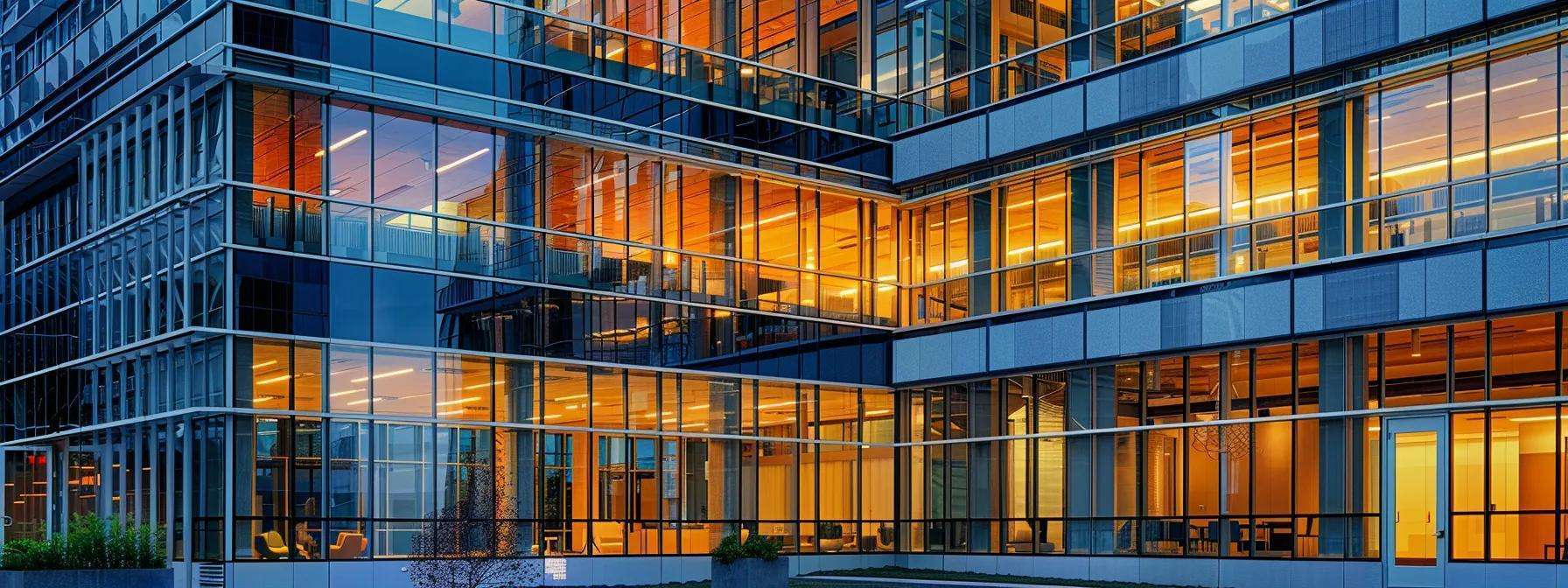
Local factors greatly influence window selection in NJ. The state’s diverse weather—from harsh winters with heavy snowfall to hot, humid summers—requires windows that perform well under varying conditions. Additionally, building codes and historical preservation standards in different areas dictate specific requirements for window design and installation.
What NJ Climate Conditions Affect Window Durability?
NJ’s climate challenges include heavy snow, ice, and strong winds in winter, which can cause windows to expand, contract, or crack if not properly designed. Humid summer conditions may lead to condensation and increased strain on window frames and seals. Therefore, materials like fiberglass and high-grade vinyl, which offer durability and require low maintenance, are preferred to ensure longevity and performance.
How Do New Jersey Building Codes Affect Window Choices?
NJ building codes impose standards for window performance and installation to ensure safety, energy efficiency, and structural integrity. Requirements may include specific energy ratings, safety glazing, and proper egress sizes. Contractors familiar with local codes guide homeowners in choosing windows that meet both aesthetic and functional needs while complying with regulations, thus avoiding future legal or insurance issues.
What Are the Best Window Options for Specific NJ Counties?
Window needs can vary by county. Coastal areas may require windows with enhanced resistance to salt air corrosion and higher impact ratings due to potential storms, while suburban counties with historic homes often favor windows that mimic traditional styles yet offer modern energy efficiency. In counties with harsher winters, higher insulation properties and robust sealing are paramount. Consulting local experts ensures that homeowners select windows tailored to their regional conditions.
How Can NJ Homeowners Benefit From Local Installation Experts?
Local installation experts possess specific knowledge about regional challenges such as older construction practices and local building codes. Their familiarity with NJ’s climate ensures that windows are fitted and sealed correctly, maximizing efficiency and durability. Personalized recommendations based on local conditions, along with experienced workmanship, help homeowners achieve improved performance, higher home value, and a smoother renovation process.
How to Choose the Right Windows for Your NJ Home: Expert Tips and Advice
Selecting windows for your NJ home requires balancing technical requirements with design preferences and budget. With many top-brand options available, consider your needs for energy efficiency, durability, and style. Decades of contractor experience in NJ homes show that the right windows can transform a property by enhancing both functionality and aesthetic appeal. Use these expert tips to choose the perfect windows for your home.
What Factors Should NJ Homeowners Consider When Selecting Windows?
Key considerations include: – Energy Efficiency: Look for windows that meet or exceed ENERGY STAR ratings to lower heating and cooling costs. – Durability: Ensure that the window material can withstand harsh weather, including heavy snowfall, strong winds, and high humidity. – Cost and Maintenance: Evaluate not just the initial cost but also long-term maintenance expenses. For instance, while wood windows offer great aesthetics, they may need more upkeep than vinyl or fiberglass. – Style and Customization: Select windows that complement your home’s architecture, whether modern, historic, or transitional. – Building Code Compliance and Warranty: Verify that the windows meet local codes and come with solid warranty coverage.
How to Balance Style, Functionality, and Budget in NJ Window Selection?
Start by prioritizing your essential needs. If energy efficiency and durability are paramount, investing in high-quality materials like fiberglass or premium vinyl may be justified despite higher upfront costs. For a traditional aesthetic, wood windows might be preferred, though they typically require more maintenance. Obtaining estimates from multiple reputable local contractors can provide insights into costs, financing options, and potential rebates. Consider using premium windows in high-visibility areas and more affordable options elsewhere to balance cost without compromising overall quality.
When Is Window Repair a Better Option Than Replacement?
Window repair can be cost-effective if the windows’ structure is largely intact but suffer from issues like damaged seals, broken hardware, or cosmetic flaws. Enhancements such as re-glazing or weatherstripping may restore energy efficiency. However, when windows are significantly outdated, structurally compromised, or no longer complement modern designs, replacement is usually the better long-term solution. A professional assessment is essential to determine the most cost-effective approach.
How to Get Accurate Quotes and Consultations From NJ Window Professionals?
Research local contractors with verified customer reviews, certifications, and a record of successful projects. Request multiple quotes to compare prices and service offerings. When consulting, have measurements, photos, and clear design preferences ready. Ask for references and details about warranty and maintenance plans. Detailed consultations and accurate quotes help ensure that you receive reliable, competitive pricing aligned with your home improvement goals.
Frequently Asked Questions
Q: What should I consider first when choosing new windows for my NJ home? A: The key considerations are energy efficiency, durability, and style. Energy-efficient windows lower utility bills while durable materials withstand NJ’s harsh weather. It’s also important to choose a style that complements your home’s architecture.
Q: How do energy-efficient windows save money in the long run? A: They use advanced insulation technology, including Low-E coatings and multi-chambered frames, to reduce heat loss in winter and heat gain in summer, leading to lower heating and cooling costs and potential savings of up to 20% over time.
Q: Are vinyl windows a good option for New Jersey’s climate? A: Yes, vinyl windows are popular in NJ because of their low maintenance, cost-effectiveness, and resistance to moisture and rot. When properly installed with insulated designs, they perform very well in NJ’s variable climate.
Q: How long does the window replacement process typically take for an average NJ home? A: For most homes needing replacement of around 10 to 20 windows, the process typically takes one to three days. More complex projects or homes needing structural adjustments may take longer.
Q: Can window repair be as effective as full window replacement in NJ homes? A: Minor repairs like re-sealing or re-glazing can restore performance if the window structure is sound. However, if windows are significantly outdated or damaged, replacement is generally necessary to achieve optimal energy efficiency and performance.
Q: What are the typical warranty terms for high-quality window brands in New Jersey? A: Premium brands such as Andersen, Pella, and Marvin typically offer warranties ranging from 20 to 30 years on defects and performance issues, covering both materials and workmanship for long-term peace of mind.
Q: How important is local expertise in window installation for NJ homes? A: Local expertise is critical because NJ contractors are familiar with regional building codes, common weather challenges, and issues specific to older homes. Their knowledge ensures installations are energy-efficient and durable, resulting in better overall performance and homeowner satisfaction.
End of Article