Table Of Contents:
- Why Hiring a Local Commercial Roofing Contractor in North Jersey Is Essential for Your Business
- What Are the Key Benefits of Choosing a Local Commercial Roofing Contractor in North Jersey?
- Which Commercial Roofing Services Do Local Contractors in North Jersey Provide?
- Which Commercial Roofs Are Commonly Installed and Repaired in North Jersey?
- How Do North Jersey Building Codes Impact Commercial Roofing Projects?
- How Much Does Hiring a Local Commercial Roofing Contractor in North Jersey Cost?
- How Can You Choose the Best Local Commercial Roofing Contractor in North Jersey?
- What Are the Long-Term Benefits of Hiring a Local Commercial Roofing Contractor in North Jersey?
- Frequently Asked Questions
Why Hiring a Local Commercial Roofing Contractor in North Jersey Is Essential for Your Business
In today’s competitive business environment, the integrity of a commercial roof is critical to protect assets, ensure uninterrupted operations, and maintain a professional image. Commercial roofing is more than a shield against weather—it is a strategic investment that enhances energy efficiency, increases property value, and prevents costly repairs, including storm damage repair. In North Jersey, where severe weather and strict regulations prevail, local commercial roofing contractors offer in-depth regional expertise and prompt, reliable service that larger firms may not provide.
Local contractors understand the unique demands of North Jersey commercial properties. They have established local supplier networks, access to specialized materials, and a thorough knowledge of municipal regulations. By working with a local firm, business owners receive customized roofing solutions that balance aesthetic appeal, durability, and energy efficiency. Additionally, these contractors offer project management support including regular inspections, emergency repairs, and maintenance programs that extend roof life and ensure compliance with building codes.
Investing in local expertise also supports community business practices and keeps money within the local economy. With personalized service, fast response times during emergencies, comprehensive warranties, and transparent pricing models, local roofing professionals provide peace of mind and long-term value. As sustainability and energy efficiency become more important, a locally sourced roofing solution can also deliver significant energy savings through eco-friendly materials and innovative installation techniques.
Transitioning into the detailed aspects of commercial roofing, the following sections explore the key benefits of local contractors, services provided, common roofing systems in North Jersey, the impact of local building codes, cost factors, contractor selection steps, and long-term benefits.
What Are the Key Benefits of Choosing a Local Commercial Roofing Contractor in North Jersey?
Local commercial roofing contractors offer strategic benefits including deep local expertise, superior customer service, and rigorous adherence to regional building codes. Their knowledge of North Jersey’s climate—characterized by heavy snowfall, gusty winds, and temperature fluctuations—allows them to choose appropriate materials and installation methods that maximize durability and performance.
Because they are in close proximity, local contractors provide faster responses for routine maintenance or emergency repairs. This immediacy minimizes business disruptions and helps build lasting, trust-based relationships with property owners. Their strong local reputations depend on transparent communication and consistent project follow-up, leading to higher customer satisfaction and fewer warranty claims.
Local specialists typically offer more reliable warranties and invest heavily in quality control and material selection to ensure roofs meet or exceed building code standards. Furthermore, their project management expertise enables efficient coordination with local suppliers and timely completion of projects, reducing downtime and consequent revenue loss.
Which Commercial Roofing Services Do Local Contractors in North Jersey Provide?
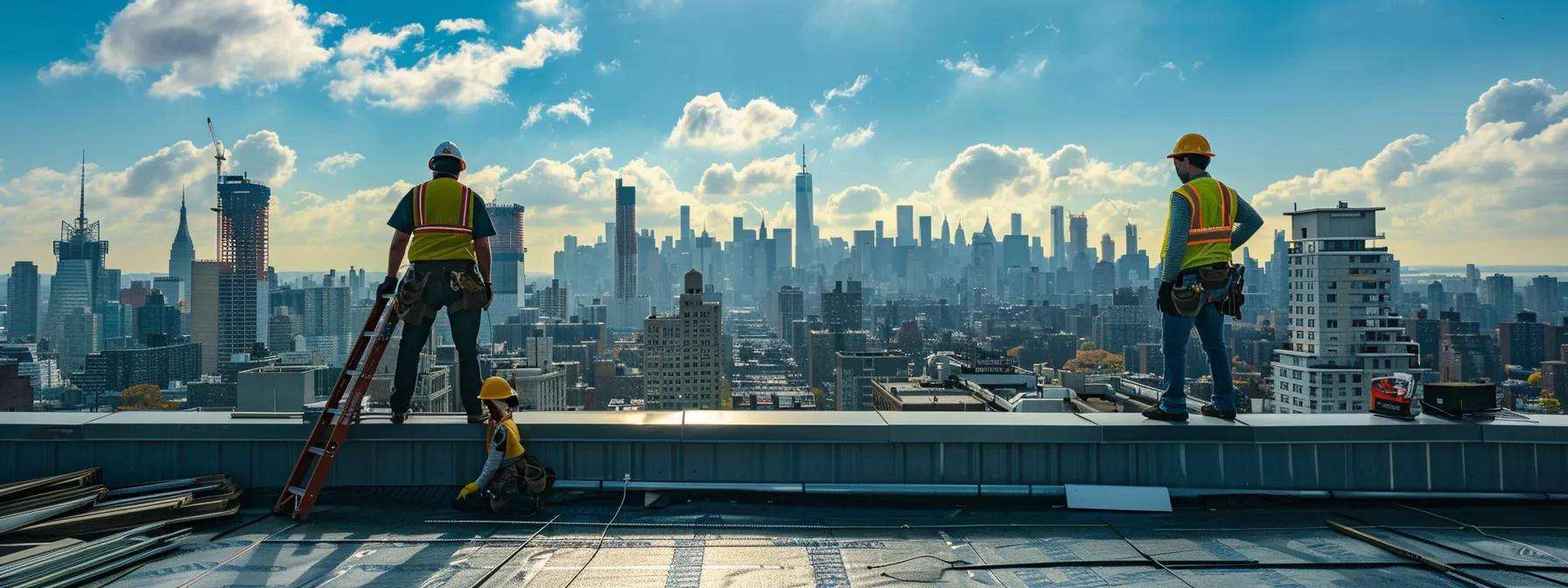
Local commercial roofing contractors offer a broad range of services designed to meet the diverse needs of modern commercial buildings. These services cover all aspects of roofing—from installation to routine maintenance—to ensure buildings remain secure, efficient, and visually appealing.
What Does Commercial Roof Installation Include for North Jersey Businesses?
Installation services begin with detailed building inspections and measurements to determine the ideal roofing system based on design, usage, and local weather conditions. Contractors then remove existing roofing, clean and repair the structure, and install new roofing systems using materials suited to North Jersey’s challenges such as rapid temperature shifts, heavy snowfall, and high winds.
Installation processes include sustainable membrane installations or systems like TPO and EPDM, integrated with stringent safety measures and full compliance with local building codes. Many contractors also offer value-added services including custom design adjustments, insulation upgrades, and energy-efficient reflective coatings. These efforts can reduce long-term maintenance costs by up to 30% over ten years.
How Are Commercial Roof Repairs Handled by Local Experts?
Local contractors manage roof repairs with precision and urgency. They conduct thorough diagnostic assessments to identify leaks, material degradation, or structural weaknesses, then perform targeted repairs such as patching sections, replacing compromised materials, or resealing perimeters. With quick response times and specialized repair tools, local experts can rapidly mobilize to fix problems—minimizing further damage and business interruptions.
Why Is Regular Roof Maintenance Critical for Commercial Properties?
Routine maintenance is essential to catch small issues before they evolve into major problems. Local contractors offer maintenance programs that include periodic inspections, cleaning, and adjustments like fastener tightening or joint resealing. This proactive approach not only extends the roof’s lifespan and preserves waterproofing and structural integrity but also optimizes energy efficiency by maintaining insulation and reflective properties. Detailed maintenance checklists and reports help document ongoing care and prevent costly emergency repairs.
When Should You Use Emergency Commercial Roofing Services?
Emergency roofing services become critical during sudden weather events or significant damage. Local contractors in North Jersey provide 24/7 emergency responses that begin with rapid on-site evaluations followed by temporary waterproofing measures—such as tarpaulin placement and sealant applications—to stabilize the roof. Once the damage is contained, they implement a full repair plan. Their local presence ensures help arrives quickly, reducing downtime and additional damage.
Overall, local commercial roofing services—from installation and maintenance to emergency repairs—safeguard business continuity, enhance energy efficiency, and ensure compliance with strict local standards.
Which Commercial Roofs Are Commonly Installed and Repaired in North Jersey?
Commercial roofing in North Jersey features a variety of systems designed to address differing structural, environmental, and aesthetic requirements. Influenced by building design, weather patterns, energy efficiency, and budget, these systems offer varied advantages and performance characteristics.
What Are the Advantages of Flat Roofs for Commercial Buildings?
Flat roofs are popular due to their modern look, cost efficiency, and ease of maintenance. Their simple design simplifies installation, inspection, and repairs. The large, accessible surface can accommodate rooftop HVAC units or green roofing systems. Typically, flat roofs use single-ply membranes (EPDM or TPO) that resist punctures and UV radiation while providing effective waterproofing when paired with advanced drainage systems. Flat roofs also offer energy savings when combined with reflective coatings and can support additional features like solar panels.
How Does Metal Roofing Benefit North Jersey Commercial Properties?
Metal roofing is favored for its resilience, energy efficiency, and sleek aesthetic. Its interlocking panels provide excellent protection from North Jersey’s harsh weather conditions while offering low maintenance and superior fire resistance. Metal roofs typically come with long warranties—up to 50 years—which reflects their durability. Their modular design allows for easy repairs, and being 100% recyclable supports sustainable practices. High reflectivity in metal roofs can reduce cooling costs significantly.
Why Choose TPO or EPDM Roofing for Your Commercial Roof?
TPO and EPDM are popular single-ply roofing membranes known for flexibility, cost-effectiveness, and durability. TPO is valued for its reflective, energy-efficient properties that lower cooling costs, while EPDM is renowned for its resistance to UV rays and extreme temperatures. Both materials allow for quick, seamless installations that minimize business disruptions. They are lightweight and effective in North Jersey’s climate, offering reliable waterproofing at a lower installation cost compared to metal roofs.
How Do Asphalt Shingle Roofs Compare for Commercial Use?
Though more common in residential settings, asphalt shingles are sometimes used in commercial applications—especially for smaller buildings where cost control and traditional aesthetics are priorities. They are easy to install and replace, offering a variety of color options. However, asphalt shingles may have lower durability in North Jersey’s extreme weather, necessitating more frequent maintenance and earlier replacement than other systems.
Below is a table comparing the key attributes of these roofing systems:
How Do North Jersey Building Codes Impact Commercial Roofing Projects?
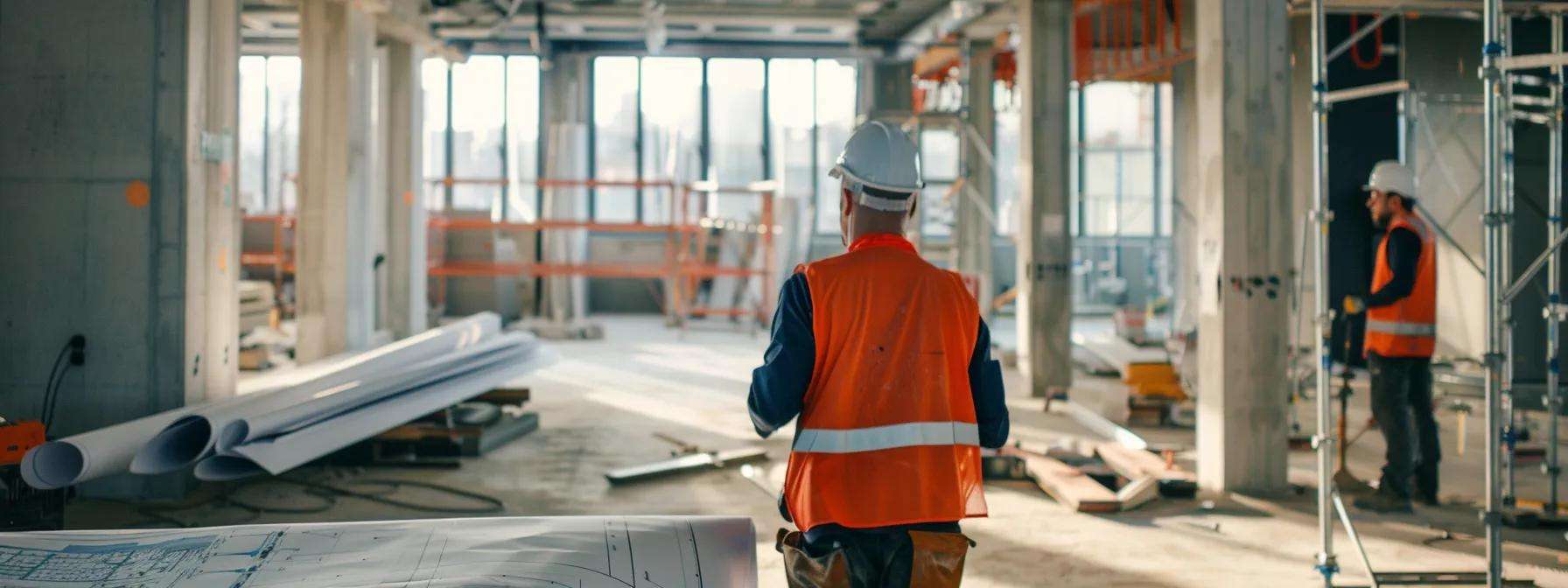
North Jersey building codes ensure commercial roofing projects meet strict safety and performance standards by addressing factors like fire resistance, wind uplift, insulation, and structural integrity. Contractors must use materials with proven fire and wind resistance and adhere to load requirements, submitting detailed engineering plans with load calculations and moisture barrier specifications for permits.
Energy efficiency is also emphasized under these codes with requirements for thermal performance and use of reflective roofing materials to reduce heat absorption. Specific inspection protocols, including periodic reviews and final inspections, ensure that all installations comply with regulations. Noncompliance may result in fines, rework, and liability issues that can compromise building safety and reduce property value.
How Does Hiring a Local Contractor Ensure Code Compliance?
Local contractors benefit from established relationships with building inspectors and municipal offices, leading to faster permits and smoother inspections. Their familiarity with recent regulatory updates and common pitfalls helps preempt compliance issues. Dedicated project managers handle all compliance documentation, ensuring every detail—from underlayment to waterproofing—is executed according to standards, thereby minimizing risks.
What Are the Risks of Ignoring Local Building Codes?
Ignoring building codes can lead to significant risks including: 1. Legal Penalties and Fines: Costly fines and legal fees. 2. Increased Liability: Higher risk of accidents due to noncompliant roofs. 3. Insurance Claim Denials: Potential rejection of claims. 4. Reduction in Property Value: Lower market value and slower sales. 5. Operational Disruptions: Business interruptions from roofing failures. 6. High Repair Costs: Expensive remediation work. 7. Reputational Damage: Negative impact on company image.
By prioritizing code compliance, property owners protect their investment and ensure long-term financial sustainability.
How Much Does Hiring a Local Commercial Roofing Contractor in North Jersey Cost?
Costs for hiring local commercial roofing contractors in North Jersey vary with roof size, complexity, material selection, and required services. Although commercial roofing is a significant capital expense, local contractors offer cost-effective solutions that balance quality with budget considerations.
What Factors Influence Commercial Roofing Costs in North Jersey?
Key cost influences include: 1. Roof Size and Complexity: Larger or intricate roofs need more materials and labor. 2. Material Selection: Premium options like metal or TPO cost more than traditional materials. 3. Labor Rates: These vary by region and contractor experience. 4. Accessibility: Difficult-to-reach areas require specialized equipment. 5. Weather-Resistant Requirements: Enhanced durability features add to cost. 6. Safety Compliance: Extra safety measures and permits can increase expenses. 7. Warranty and Maintenance Programs: Comprehensive support may have higher upfront costs but lower long-term expenses.
How Can Local Contractors Provide Cost-Effective Solutions?
Local contractors leverage strong supplier relationships to negotiate better material prices and recommend systems tailored to the local environment. Their efficient project management reduces delays and extra labor costs. They provide detailed, itemized estimates, helping business owners plan for future maintenance and avoid unexpected expenses. Maintenance packages and extended warranties further lower the lifecycle cost of a roof.
What Are Typical Warranty and Maintenance Costs?
Warranty and maintenance costs, typically calculated as a small percentage of the total installation cost annually, cover inspections, cleaning, and minor repairs. These services protect against larger, costly repairs and extend roof life. Warranties offered often cover material and workmanship defects, ensuring long-term performance.
Below is a summary table of cost components:
How Can You Choose the Best Local Commercial Roofing Contractor in North Jersey?

Choosing the right contractor is crucial for safety, continuity, and financial health. Business owners must evaluate experience, reputation, customer service, and project management capabilities.
What Questions Should You Ask Potential Roofing Contractors?
When interviewing contractors, ask about: 1. Experience: How familiar are they with North Jersey’s climate and building codes? 2. References: Can they provide case studies or client referrals? 3. Safety and Compliance: What protocols do they follow? 4. Emergency Response: How do they handle unexpected repairs? 5. Maintenance Programs: What after-installation services are offered? 6. Estimates: Is there a detailed, itemized cost breakdown? 7. Warranty Terms: What warranty covers do they offer?
These questions help ensure the contractor meets technical requirements and aligns with your values for transparency and quality.
How Important Are Customer Reviews and Testimonials?
Customer reviews and testimonials provide real-world insights into the contractor’s performance, reliability, and post-project support. Positive feedback and strong local reputation from platforms like the Better Business Bureau are strong indicators of quality service and long-term performance.
Why Is Experience With North Jersey Commercial Roofing Projects Crucial?
Local experience is essential for managing the specific challenges of North Jersey’s weather and regulatory environment. Contractors with extensive regional experience streamline permitting processes and reduce delays, ensuring reliable and high-quality roof installations.
How Do Local Contractors Support Ongoing Roof Maintenance?
Top contractors offer comprehensive maintenance programs that include routine inspections, seasonal adjustments, and preventive repairs. These services preserve energy efficiency, structural integrity, and overall roof performance, ultimately reducing lifecycle costs and protecting your investment.
What Are the Long-Term Benefits of Hiring a Local Commercial Roofing Contractor in North Jersey?
Hiring a local contractor delivers not only immediate roofing solutions but also significant long-term benefits, enhancing property value, operational efficiency, and financial predictability. A well-installed and maintained roof offers superior protection, optimizes energy consumption, and minimizes unforeseen repair expenses.
How Does Regular Maintenance Extend Roof Lifespan?
Routine inspections and maintenance—such as cleaning, resealing, and replacing worn components—can extend a roof’s life by 25-40%. Timely repairs prevent minor issues from evolving into major damages, thereby reducing full roof replacements and saving on long-term costs. Seasonal maintenance adjustments ensure the roof is ready to withstand North Jersey’s specific weather challenges.
Furthermore, ongoing maintenance preserves energy efficiency by maintaining insulation and reflective properties, which helps lower utility bills and supports environmental sustainability.
What Energy Efficiency Gains Can Local Roofing Materials Provide?
Advanced roofing materials offer significant energy benefits. Reflective metal roofs and TPO membranes reduce heat absorption and cooling costs by up to 30% during hot months, while high-quality insulation minimizes heat loss in winter. These energy-efficient solutions not only lower operating costs but also improve the building’s sustainability profile, attracting tenants and investors.
How Does Local Contractor Support Enhance Emergency Response?
Local contractors provide rapid, 24/7 emergency services. Their prompt response—enabled by pre-established relationships with emergency services and local suppliers—minimizes business downtime and prevents further damage during severe weather events. Quick on-site evaluations and temporary fixes are followed by comprehensive repairs, ensuring resumed operations with minimal impact.
Below is a summary of the long-term benefits:
- Extended Roof Lifespan: Routine maintenance delays full roof replacements.
- Energy Efficiency Savings: Lower cooling and heating costs through advanced materials.
- Enhanced Safety and Compliance: Continued adherence to building codes reduces risks.
- Rapid Emergency Response: Quick repairs minimize downtime and secondary damage.
- Improved Property Value: A well-maintained roof boosts marketability.
- Lower Maintenance Costs: Proactive care reduces future major repairs.
- Sustainable Integration: Energy-efficient materials support renewable energy solutions and lower utility expenses.
Frequently Asked Questions
Q: What makes local commercial roofing contractors more suitable for North Jersey businesses? A: Local contractors possess specialized knowledge of North Jersey’s weather patterns, building codes, and material requirements. Their proximity ensures rapid communication, swift emergency response, and personalized service. This expertise results in durable roof installations and minimizes the risk of regulatory noncompliance and unexpected repair costs.
Q: How often should a commercial roof in North Jersey be inspected and maintained? A: It is recommended to inspect commercial roofs at least twice a year—typically in the spring and fall—to address seasonal challenges. Routine annual maintenance and prompt post-severe weather inspections help extend the roof’s lifespan, maintain energy efficiency, and prevent disruptive repairs.
Q: What roofing materials are best suited for North Jersey’s climate? A: Materials such as metal roofing, TPO, and EPDM membranes are ideal for North Jersey due to their resistance to heavy snow, wind, and drastic temperature changes. These materials offer durability, energy efficiency, and require minimal maintenance.
Q: How do warranty and maintenance plans improve the ROI on a commercial roofing project? A: Comprehensive warranty and maintenance plans ensure prompt resolution of issues, reducing downtime and costly emergency repairs. By covering material and workmanship defects, these plans extend the roof’s lifespan and enhance energy efficiency, leading to significant long-term savings and a better return on investment.
Q: Can integrating renewable energy solutions with new roofing systems further reduce operating costs? A: Absolutely. By incorporating renewable energy elements such as solar panels with energy-efficient roofing systems, businesses can significantly lower electricity costs. A well-designed roof enhances solar system performance and, combined with high-reflectivity or superior insulation, may further reduce overall energy demand.