

Table Of Contents:
- What Are Storm Windows and How Do They Work?
- What Defines a Storm Window?
- How Do Storm Windows Improve Energy Efficiency in NJ Homes?
- What Types of Storm Windows Are Available for New Jersey Homes?
- What Are the Key Benefits of Replacing Storm Windows in New Jersey?
- How Do Storm Windows Reduce Energy Bills in NJ?
- Can Storm Windows Improve Home Comfort and Reduce Drafts?
- Do Storm Windows Increase Home Value in the New Jersey Market?
- How Much Does Storm Window Replacement Cost in New Jersey?
- What Factors Affect Storm Window Prices in NJ?
- What Is the Average Price Range for Storm Window Installation in NJ?
- Are There Financing or Incentive Options for Storm Window Replacement in NJ?
- How Is the Storm Window Replacement Process Done in New Jersey?
- What Are the Steps Involved in Installing Storm Windows?
- How to Choose a Reliable Storm Window Installer in NJ?
- What Should NJ Homeowners Expect During Installation?
- Which Storm Window Types and Brands Are Best for New Jersey Homes?
- What Are the Best Materials for Storm Windows in NJ’s Climate?
- How Do Different Storm Window Styles Affect Home Appearance?
- What Are the Top Storm Window Brands Available in New Jersey?
- How Long Do Storm Windows Last and What Maintenance Is Required?
- When Should Storm Windows Be Replaced?
- What Are Common Questions New Jersey Homeowners Have About Storm Window Replacement?
- Frequently Asked Questions
What Are Storm Windows and How Do They Work?
Storm windows are secondary windows installed either on the exterior or interior of existing windows to protect against harsh weather and boost energy efficiency. In simple terms, they form a barrier that reduces drafts and insulates your home from changing temperatures. Constructed with a lightweight frame and glass (or acrylic) panels optimized for energy conservation, storm windows complement primary windows by preventing heat loss in winter and blocking excess heat in summer—resulting in significant energy savings for New Jersey homes.
They work by creating an air gap between the primary window and the storm window pane. This gap acts as an insulating barrier that reduces heat loss during cold months and minimizes solar heat gain during warmer periods. Modern storm windows feature improved sealing technologies that reduce leakage and noise, while low-emissivity (low-E) coatings further boost efficiency by reflecting heat back inside during winter and deflecting solar energy in summer. Overall, storm windows not only protect primary windows but also enhance your home’s energy performance and comfort.
What Defines a Storm Window?
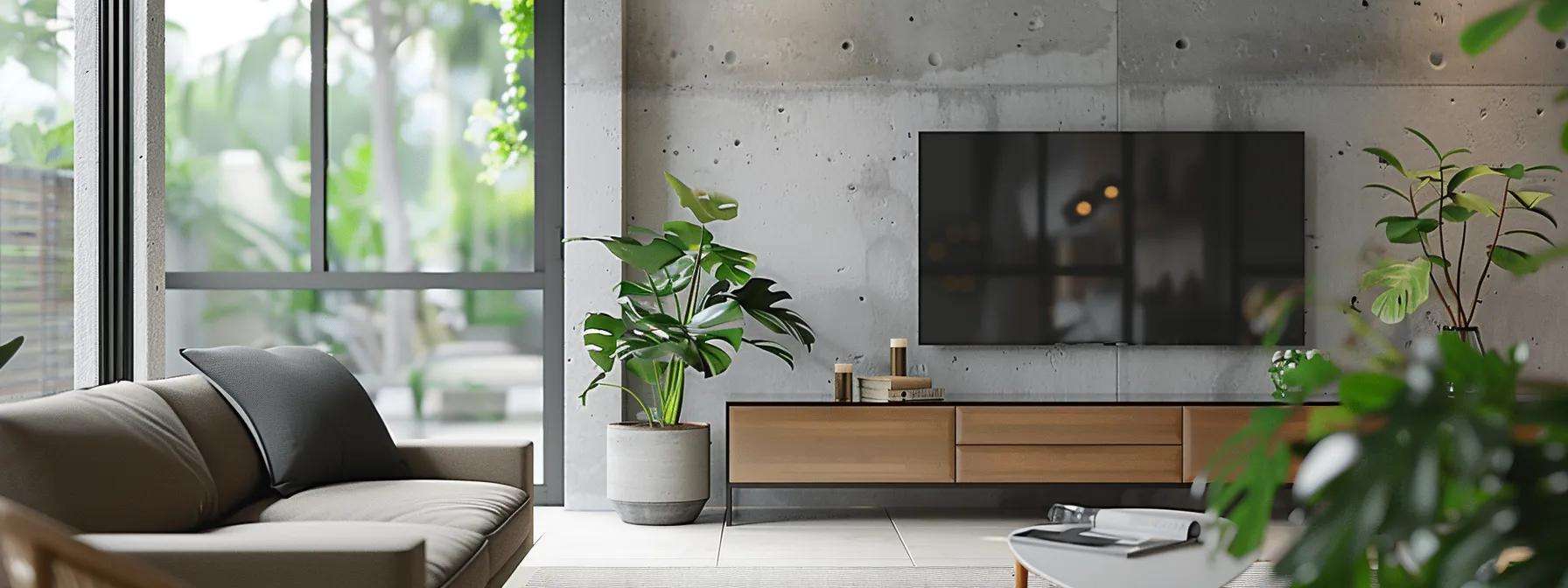
A storm window is defined by its role as a secondary, removable or temporary window installed on an existing window. It is typically made with materials such as aluminum for the frame and high-quality glass treated with energy-efficient coatings. Engineered to reduce the infiltration of cold air and the loss of warm air through double-pane systems, storm windows emphasize easy installation and removal—a convenience particularly valuable in seasonal climates like New Jersey. In addition, the design helps reduce external noise and can complement your home’s aesthetics.
How Do Storm Windows Improve Energy Efficiency in NJ Homes?
By adding an extra layer of insulation, storm windows keep warm air inside during winter and block hot air during summer. The primary mechanism is the insulating air gap they create between the existing window and the storm window, which reduces heat movement by convection. Many models also incorporate low-E coatings that reflect radiant heat, minimizing unwanted energy exchange. Properly installed storm windows can reduce energy loss by up to 20% in some cases, allowing heating and cooling systems to work less intensively—thereby lowering energy bills.
Storm windows also reduce drafts and condensation, which can cause uneven indoor temperatures and additional strain on HVAC systems. Combined with energy-efficient primary windows, they create a composite system that improves overall thermal performance, resulting in a more balanced indoor climate and a smaller carbon footprint.
What Types of Storm Windows Are Available for New Jersey Homes?

There are several types of storm windows designed for different needs:
• Full-Frame Storm Windows: Installed on the exterior of the primary window, these cover the entire window area and offer durable, comprehensive protection against wind, rain, and snow. They are especially useful for older homes with inefficient primary windows and may be available in materials like aluminum or vinyl.
• Window Inserts: These custom-made panels fit snugly within the existing window frame and are typically installed on the interior. They are easier to install and remove seasonally, making them ideal for renters or for those not wanting to permanently alter their home’s exterior appearance.
• Retractable Storm Windows: Designed for flexibility, these can be pulled down when needed and retracted when not in use. They allow homeowners to enjoy natural light and views during favorable weather while providing protection during extreme conditions. Some advanced models even feature smart technology for remote control based on current weather.
What Are the Key Benefits of Replacing Storm Windows in New Jersey?
Replacing older storm windows with modern models offers several benefits:
• Lower Energy Bills: Modern storm windows incorporate advanced insulating technology and low-E coatings that reduce both heat loss and heat gain, directly lowering utility bills.
• Enhanced Indoor Comfort: Upgraded storm windows eliminate drafts and stabilize indoor temperatures, leading to a more comfortable living environment even during rapid weather changes.
• Noise Reduction: An extra barrier reduces external sounds, which is especially beneficial in urban areas or near busy roads.
• Improved Curb Appeal: Stylish, modern storm windows with clear finishes can enhance the overall appearance of your home and may increase its attractiveness to future buyers.
• Extended Lifespan of Primary Windows: By protecting the primary windows from severe weather, storm windows help prevent premature aging and costly repairs.
How Do Storm Windows Reduce Energy Bills in NJ?

Storm windows reduce energy bills by adding another layer of insulation between the harsh outdoor climate and your home’s interior. During winter, they minimize heat loss so that your heating system works less strenuously. In the summer, they block excessive solar heat from entering your home. The use of reflective low-E coatings aids in this dual functionality, resulting in significant utility savings. Additionally, effective sealing reduces drafts and prevents air leakage, further lowering the demand on heating and cooling systems. The net effect is a more energy-efficient home with lower monthly costs.
Can Storm Windows Improve Home Comfort and Reduce Drafts?
Yes, storm windows markedly improve home comfort by reducing drafts and stabilizing indoor temperatures. When properly installed, they create a secure, insulated barrier that prevents cold air from infiltrating during winter and stops hot, humid air during summer. This barrier minimizes gaps around the primary windows, ensuring that the conditioned air remains inside and that temperatures remain consistent. Along with modern seals and weatherstripping, storm windows reduce both unwanted air exchange and external noise, contributing to a quieter and more comfortable indoor environment.
Do Storm Windows Increase Home Value in the New Jersey Market?
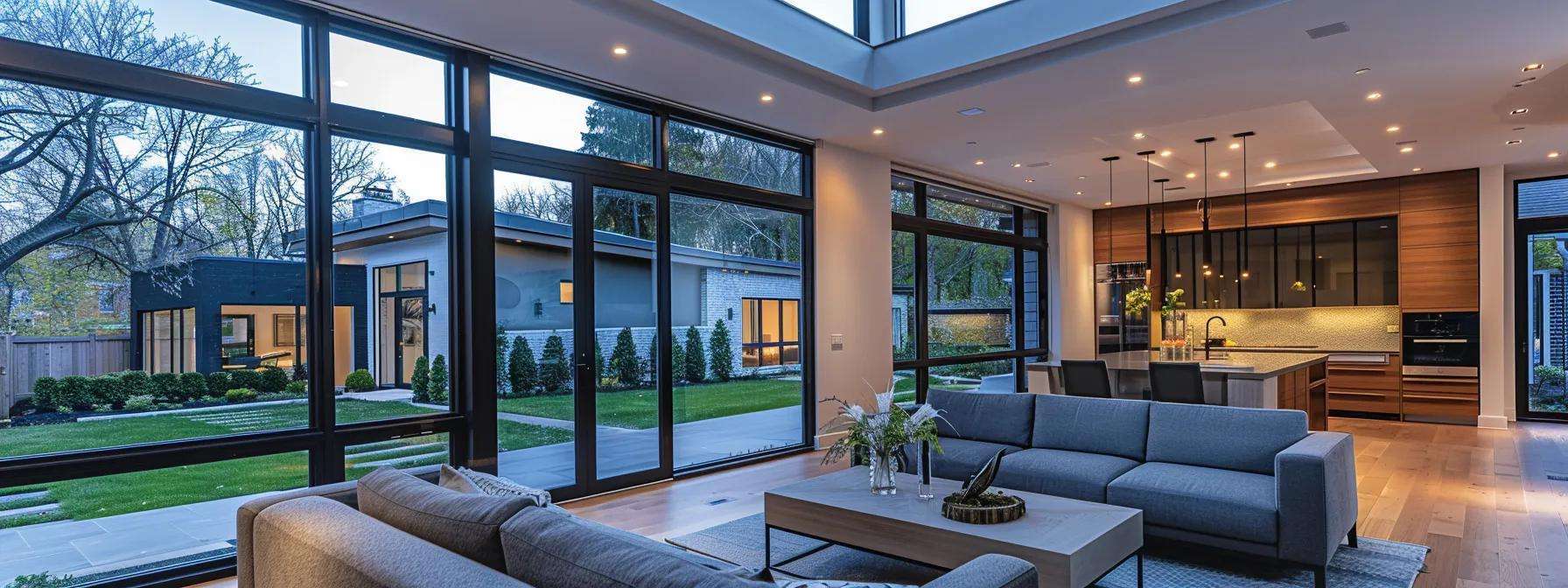
Upgrading to modern storm windows can add market value to your home. In competitive New Jersey real estate markets, energy efficiency and updated window systems are highly attractive to buyers. Homes with better insulation, reduced energy bills, and enhanced indoor comfort often sell for higher prices and more quickly than properties with outdated windows. In addition, well-maintained storm windows offer aesthetic appeal and can indicate that the homeowner has invested in quality improvements. By also protecting the primary windows from weather-related damage, storm windows reduce long-term maintenance costs—making them a smart, value-adding investment.
How Much Does Storm Window Replacement Cost in New Jersey?
The cost to replace storm windows in New Jersey varies widely. Homeowners typically pay several hundred to a few thousand dollars per window, depending on several factors:
• Material: Aluminum-framed storm windows are generally less expensive than those made from vinyl or composite materials, though higher-end materials may offer better long-term performance.
• Style and Features: Options like retractable storm windows or custom-made inserts with low-E coatings and advanced seals can increase the price.
• Labor Costs: Installation costs in New Jersey may be higher due to local rates and complexity of installation, particularly in hard-to-reach or larger windows.
• Additional Factors: Projects that require repairs to existing window frames or special equipment may drive up overall costs.
Rebates and financing options may be available to help offset these expenses. While the initial outlay can be significant, the subsequent energy savings and improved home comfort often justify the investment.
What Factors Affect Storm Window Prices in NJ?
Several factors influence the price of storm window replacement in New Jersey, including:
• Material Quality: Higher-quality materials (such as high-grade vinyl or composite options) with advanced features like low-E coatings command higher prices than standard aluminum options.
• Style and Design: Full-frame windows, interior inserts, or retractable designs vary in cost, with custom-made options generally costing more due to the need for specialized sizing and installation.
• Labor and Installation Complexity: Professional installation rates, influenced by local market conditions and the complexity of window access, play a significant role in the overall price.
• Regional and Seasonal Factors: Higher costs in densely populated or high-cost areas and fluctuations during peak seasons may affect pricing. Unexpected repairs or modifications to existing window frames can also add to the expense.
What Is the Average Price Range for Storm Window Installation in NJ?
On average, storm window installation in New Jersey ranges from $300 to $1,000 per window. For a typical home with multiple windows, total project costs can range from several thousand dollars to over $10,000. Lower-end options typically use basic aluminum or vinyl with minimal features and cost between $300 and $500 per window. Mid-range options, offering better insulation and aesthetics, may cost between $500 and $750 per window. Premium storm windows with custom designs, high-performance materials, and features like retractability can run from $750 to $1,000 or more per window. It is essential to obtain quotes from reputable contractors and inquire about warranties and financing plans or rebates that may lower the upfront cost.
Are There Financing or Incentive Options for Storm Window Replacement in NJ?
Yes, there are several financing and incentive options available for New Jersey homeowners. Many local utility companies and state programs offer rebates or low-interest loans aimed at promoting energy-efficient home improvements. These programs may reduce the upfront cost of storm window replacement by providing cash rebates or credits on utility bills once the energy savings are verified. Some contractors even offer in-house financing options that spread the cost over manageable monthly payments. Homeowners should check with local government agencies, utility providers, and reputable contractors to determine which programs they qualify for and to take full advantage of the available incentives.
How Is the Storm Window Replacement Process Done in New Jersey?
The storm window replacement process in New Jersey is efficient and thorough. It typically begins with a comprehensive consultation and an assessment of your home’s current window systems to identify issues such as drafts or seal degradation. Based on this evaluation, a professional contractor recommends appropriate storm window options tailored to your home’s needs.
Next, accurate measurements of each window opening are taken using advanced tools to ensure a precise fit. For exterior storm windows, any old storm windows are removed and replaced with new, energy-efficient models mounted on the primary window’s exterior. For interior inserts, the new window is fitted inside the existing frame with minimal disruption. In both cases, installers use weatherstripping and caulk to secure the window and reduce air infiltration.
Throughout installation, quality control is maintained by verifying that the windows open, close, and lock correctly, and that seals are tight. A post-installation energy audit may be recommended for added assurance. Clear communication during the process ensures that homeowners are informed about each step, and by the end, reduced drafts and improved energy efficiency are achieved.
What Are the Steps Involved in Installing Storm Windows?
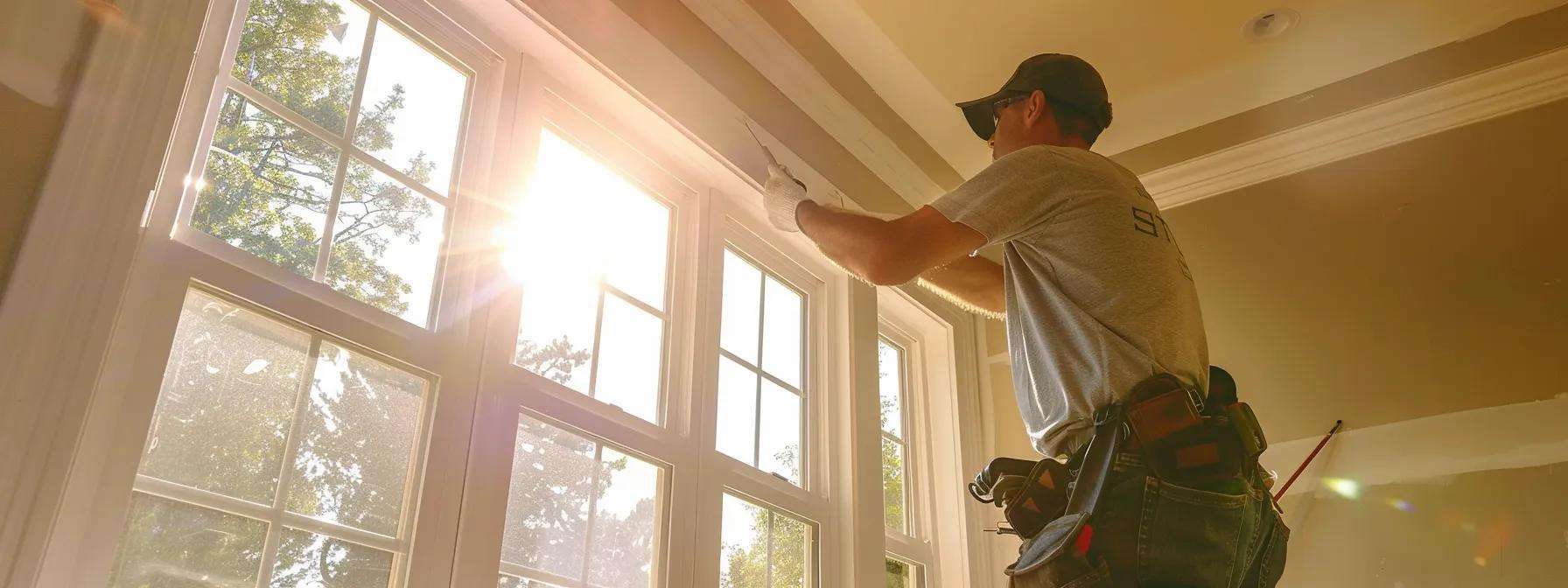
Installing storm windows follows a systematic process:
- Inspection: A professional assesses the current window system for signs of wear, air leaks, or structural issues.
- Measurement: Precise measurements of each window opening are taken to ensure a perfect fit.
- Product Selection: Homeowners choose the desired storm window type based on material, design, and additional features like low-E coatings.
- Preparation and Removal: Any outdated storm windows are removed, and the area is prepped by cleaning and repairing window sills and frames.
- Installation: The new storm window is positioned (exteriorly or interiorly) and secured using screws, bracing, and weatherstripping to ensure a tight seal.
- Quality Check: The installer confirms that the window operates properly and that all seals are intact. Homeowners receive maintenance guidelines and warranty information.
How to Choose a Reliable Storm Window Installer in NJ?
Choosing a trustworthy installer is critical. In New Jersey, start by researching local window installation companies and reading customer testimonials and project portfolios. Request detailed quotes that include installation methods, warranty policies, and post-installation services. Verify that the contractor is licensed and insured, which ensures compliance with local building codes and protects against potential liabilities. Personal recommendations from friends or community groups can be especially useful. A reliable installer will conduct a thorough pre-assessment, provide clear cost breakdowns, and explain their process in detail—ensuring that your investment leads to optimal energy savings and improved home comfort.
What Should NJ Homeowners Expect During Installation?
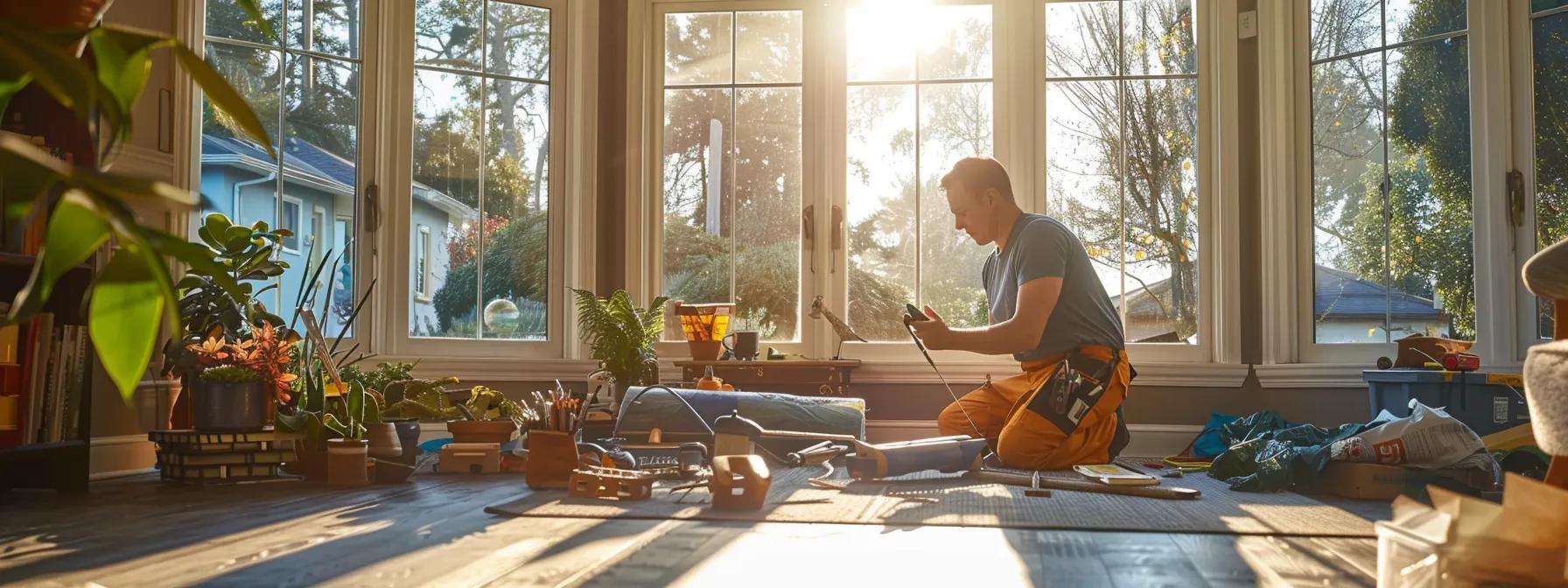
Homeowners in New Jersey can expect a professional, efficient, and minimally disruptive installation process. Initially, a detailed consultation and window assessment are performed, followed by scheduling the work. On installation day, technicians protect your home’s interiors and exteriors with drop cloths or coverings. They then measure, fit, and secure each storm window meticulously. Throughout the process, clear communication is maintained to inform you of any necessary adjustments. Once installed, the technician conducts a final inspection with you to ensure proper operation and sealing. Additionally, you will receive guidance on routine maintenance and warranty details, ensuring a smooth and beneficial installation experience.
Which Storm Window Types and Brands Are Best for New Jersey Homes?
When choosing storm windows in New Jersey, it is important to consider both the type and brand. There are three main types: full-frame storm windows, interior inserts, and retractable models. Full-frame windows are ideal for older homes needing comprehensive weatherproofing, while interior inserts offer flexibility and ease of seasonal installation. Retractable storm windows provide versatility by allowing you to enjoy natural light when weather permits.
Among top brands, Andersen Corporation is renowned for innovative designs and robust warranties. Pella is favored for its energy-efficient features and stylish appearance, and Window World New Jersey is a popular local option known for competitive pricing and excellent customer service. When assessing brands, consider factors like material quality (vinyl, aluminum, or composite), energy ratings, warranty terms, and overall customer satisfaction, ensuring you select a product that meets both performance and aesthetic needs.
What Are the Best Materials for Storm Windows in NJ’s Climate?
In New Jersey’s varied climate, selecting the right material is crucial. The three most common materials are:
• Aluminum: Known for strength, durability, and resistance to corrosion. Modern aluminum storm windows include thermal breaks and low-E coatings to improve energy efficiency, making them suitable for severe weather.
• Vinyl: Offers excellent insulating properties due to its low thermal conductivity. Vinyl storm windows maintain a stable indoor climate, resist moisture, and require little maintenance.
• Composite: Combining fiberglass and vinyl, these storm windows provide a balance of durability and energy efficiency, capable of handling extreme temperatures and humidity.
Choosing the appropriate material also involves considering the overall aesthetics and how well it integrates with your home’s design.
How Do Different Storm Window Styles Affect Home Appearance?
The style of your storm windows can significantly influence your home’s exterior appeal. Sleek, slim-framed modern storm windows offer a contemporary look ideal for minimalist designs, while traditional, more pronounced frames may suit classic or historic homes better. Interior storm window inserts maintain the original window appearance by remaining hidden from view, whereas exterior storm windows are visible but can be customized with matching finishes or colors to complement your home’s trim and siding. Retractable models also offer the benefit of flexibility, balancing protection with the desire for unobstructed views. Ultimately, the chosen style not only affects curb appeal but may also impact the resale value of your property.
What Are the Top Storm Window Brands Available in New Jersey?
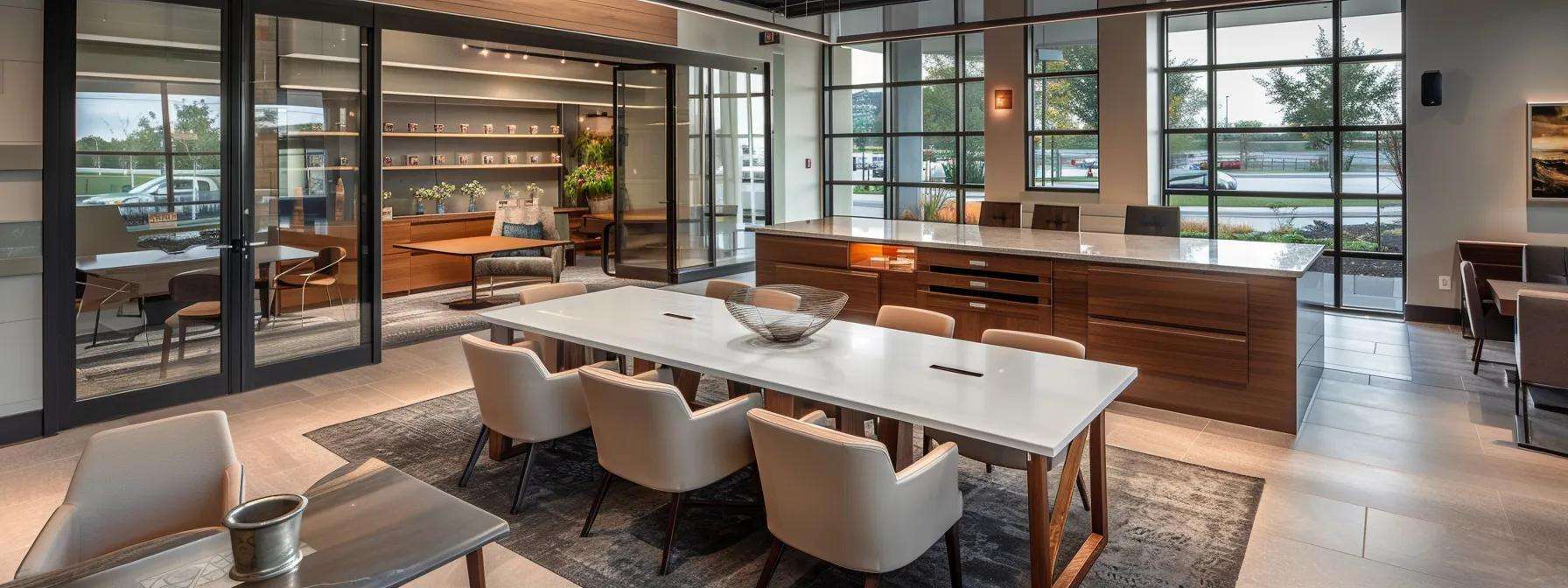
Several top brands stand out in New Jersey for quality and energy efficiency:
• Andersen Corporation: Known for innovative designs, advanced thermal technology, and extensive warranties.
• Pella: Offers state-of-the-art insulating materials and aesthetically pleasing designs that reduce energy loss.
• Window World New Jersey: A local favorite providing competitively priced, energy-efficient storm windows with professional installation and reliable customer service.
Other reputable brands include Marvin and Milgard, which also offer durable, high-performance storm windows. Evaluating factors like energy ratings, warranties, and installation support will help ensure that you choose a product that meets your specific home improvement needs.
How Long Do Storm Windows Last and What Maintenance Is Required?
With proper care, storm windows can last between 15 to 25 years. Their durability depends on the quality of materials and installation. In New Jersey’s climate—with its significant temperature fluctuations and humidity—it is important to perform regular maintenance:
• Cleaning: Periodically clean the glass and frames to remove dirt and debris. • Inspection: Check weatherstripping and seals at least once a year, and inspect for any signs of corrosion or wear. • Operation: Regularly open and close the windows to keep moving parts functional. • Professional Check-ups: After severe weather events, consider having a professional inspect the windows to identify any issues early.
Routine maintenance not only extends the lifespan of storm windows but also preserves energy efficiency and home comfort.
When Should Storm Windows Be Replaced?
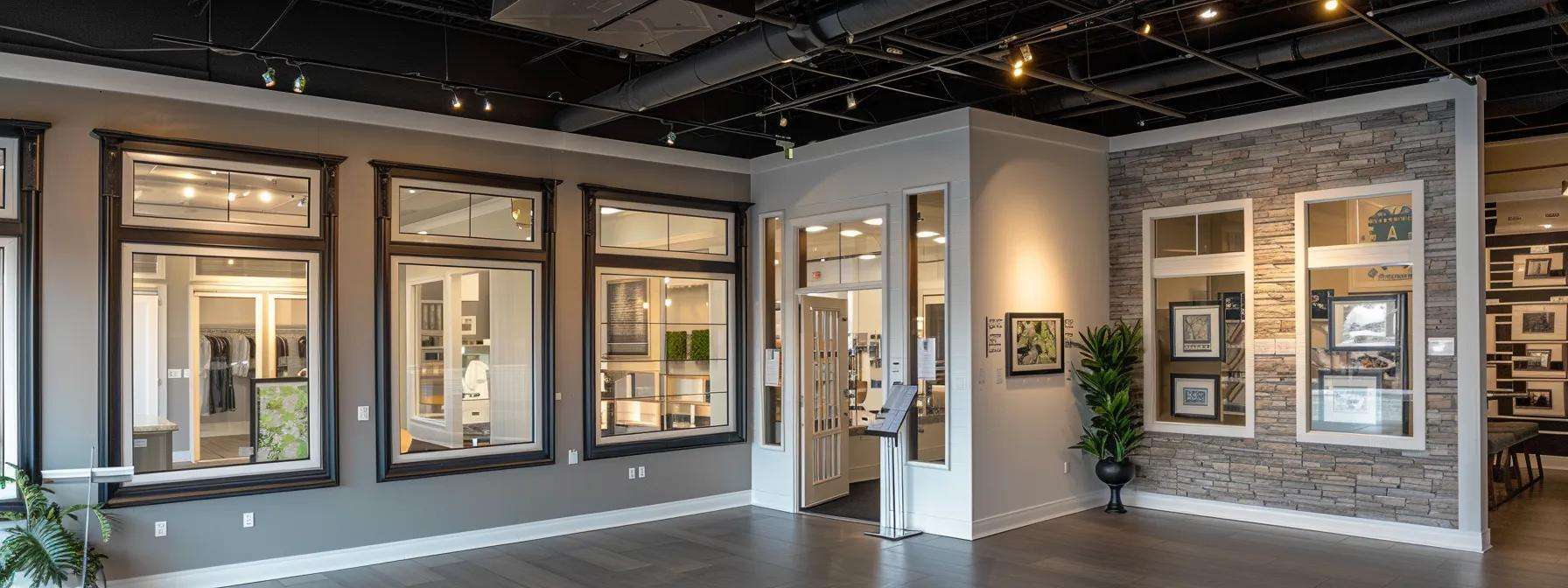
Storm windows should be replaced when they no longer provide adequate insulation or show significant signs of wear—such as cracked glass, damaged seals, or noticeable drafts. In New Jersey’s harsh climate, an increase in energy bills or persistent condensation between panes can indicate that the windows are no longer functioning effectively. Although storm windows are designed to last 15 to 25 years, factors like severe weather, poor maintenance, or subpar installation may shorten this lifespan. Upgrading to modern, energy-efficient models not only improves performance but also enhances aesthetic appeal and protects your primary windows from further damage.
What Are Common Questions New Jersey Homeowners Have About Storm Window Replacement?
Homeowners in New Jersey often ask questions about the overall cost-effectiveness, performance, and maintenance of storm window replacement. Common questions include:
• Does the energy savings outweigh the installation costs? • How do storm windows compare to full window replacements? • What maintenance is required after installation? • What is the expected lifespan of storm windows? • Are there financing or incentive programs available? • How much does the installation process typically disrupt daily life?
Detailed responses emphasize improved energy efficiency, reduced maintenance needs, weather protection, noise reduction, and the potential for increased home value, reinforcing that storm window replacement is a sound financial and home improvement investment.
Frequently Asked Questions
Q: How do storm windows contribute to energy efficiency? A: Storm windows add an extra layer of insulation that minimizes heat loss during winter and reduces heat gain during summer. Their design creates an air gap that acts as a barrier against drafts, and many models include low-emissivity coatings that further cut down on energy exchange, resulting in lower heating and cooling costs.
Q: Can storm windows reduce noise in a home? A: Yes, by adding an extra barrier and ensuring proper sealing, storm windows help block external noise, leading to a quieter indoor environment—a benefit particularly noticeable in busy, urban areas.
Q: Are there financing options available for storm window replacement in New Jersey? A: Many New Jersey homeowners can access rebates, low-interest loans, and other incentive programs through local utility companies and state programs. These financial options help offset the initial cost, making the upgrade more affordable.
Q: How can I tell if my storm windows need replacement? A: Look for noticeable drafts, increased energy bills, condensation between the panes, or physical damage such as cracks or degraded seals. Storm windows that are over 15–25 years old or no longer provide effective insulation likely need to be replaced.
Q: What is the typical installation process for storm windows? A: The process begins with an assessment and precise measurements, followed by removal of old windows (if applicable), installation of the new storm windows with proper sealing, and concluding with a thorough quality inspection and maintenance guidance.
Q: Do storm windows increase the value of my home? A: Yes, modern storm windows can enhance your home’s market value by improving energy efficiency, aesthetics, and overall comfort. Buyers increasingly seek energy-saving features, and well-installed storm windows can lead to a higher resale value.
Q: How long do storm windows typically last? A: With proper maintenance, storm windows can last between 15 to 25 years. Consistent upkeep of seals, weatherstripping, and periodic professional inspections will help prolong their effective lifespan.