
Table Of Contents:
- What Are the Best Energy-Efficient Window Types for New Jersey Homes?
- How Does Window Replacement Impact Energy Savings and Utility Bills in NJ?
- What Are New Jersey Building Codes and Climate Considerations for Sustainable Windows?
- What Are the Benefits of Professional Installation for Sustainable Windows in NJ?
- How to Choose the Right Sustainable Window Replacement for Your NJ Home?
- What Are the Environmental Benefits of Green Building Windows in New Jersey?
- What Maintenance Tips Extend the Life of Sustainable Windows in NJ Homes?
- Detailed Comparative Tables and Lists
- Frequently Asked Questions
In today’s rapidly evolving construction and home renovation market, energy efficiency is a critical factor that homeowners in New Jersey cannot overlook. With escalating utility bills and increased environmental concerns, selecting sustainable window replacement options has become paramount for both economic savings and environmental stewardship. At CKG Contractors, Inc., we pride ourselves on guiding our clients through a seamless integration of modern technology, sustainable materials, and professional installation techniques that help enhance home performance while reducing energy consumption. In this comprehensive article, I will explore the best energy-efficient window types available for NJ homes, discuss how window replacement can significantly cut utility bills, and review how local building codes and climate conditions influence window selection. We will also delve into the advantages of professional installation and outline practical tips for selecting and maintaining sustainable window systems that ensure long-term performance.
New Jersey homes face a unique set of challenges when it comes to energy efficiency because of variable weather patterns that range from cold winters to hot, humid summers. This demands window solutions that are versatile, well-insulated, and not only efficient in regulating indoor temperature but also durable against the state’s diverse climatic conditions. Energy-efficient windows improve thermal insulation by reducing the need for artificial heating and cooling, thereby lowering overall energy consumption. They also contribute to a greener building certification process, which is increasingly important for homeowners who are environmentally conscious. In the sections that follow, we will define the benefits, provide technical insights on how various window types perform, and support our claims with detailed statistics and comparisons—empowering NJ homeowners to make informed decisions that balance performance, cost, and sustainability.
Transitioning to the finer points of sustainable window solutions, let’s explore specific product characteristics before discussing installation and maintenance issues. With cutting-edge technologies like low-emissivity (low-E) coatings and advances in double- and triple-pane designs, homeowners can choose windows that offer high performance while conforming to green building standards. The narrative that follows is enriched with technical data, practical examples from real projects, and insights from industry-certified professionals, ensuring that you, as a homeowner or property manager in New Jersey, can confidently invest in window replacement projects that deliver measurable energy savings and enhanced comfort.
What Are the Best Energy-Efficient Window Types for New Jersey Homes?
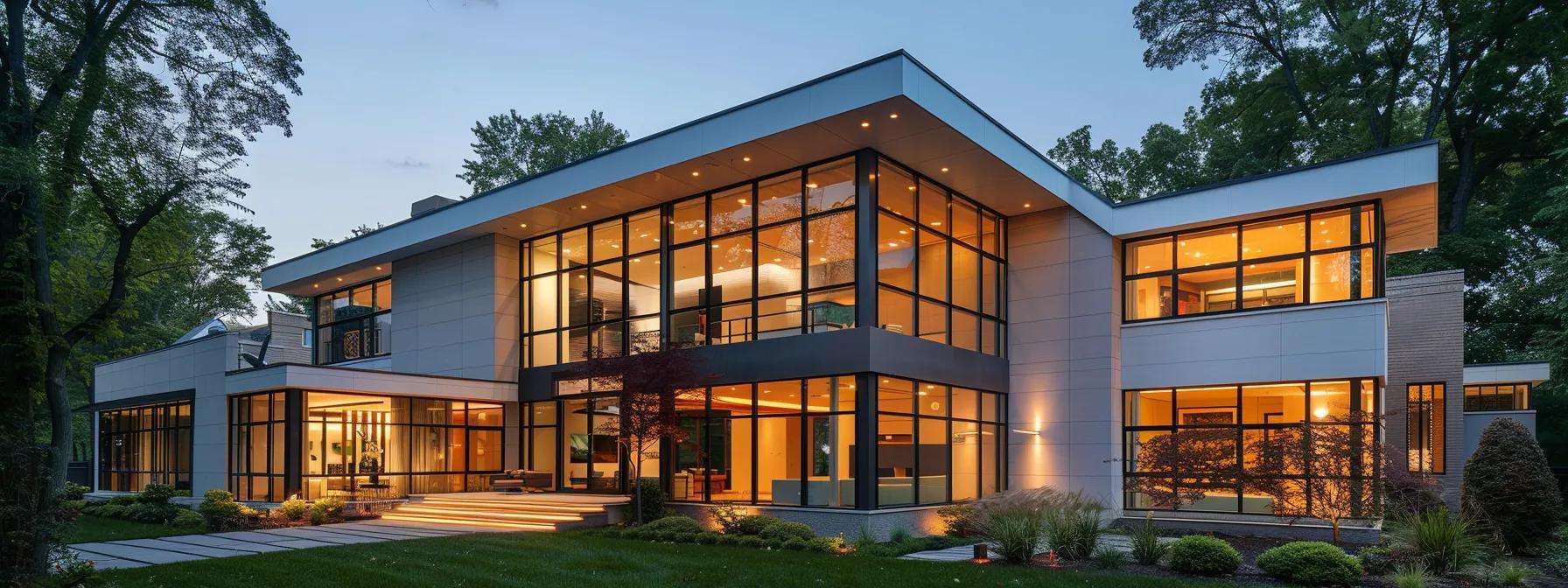
New Jersey homeowners looking for energy-efficient window solutions have several options to consider. Energy-efficient windows not only enhance the aesthetic value of your home but also significantly improve indoor comfort and reduce utility costs by balancing heat gain and loss throughout the year. Double-pane and triple-pane window systems, low-E coated glass, and sustainable frame materials have all been designed to meet the evolving demands of modern building codes and the local NJ climate, making them a smart investment. The exact performance of these windows can vary by design, but each option is structured to complement the unique weather conditions in New Jersey—from cold, windy winters to warm, sunny summers.
How Do Double-Pane and Triple-Pane Windows Improve Home Efficiency?
Double-pane and triple-pane windows are celebrated for their superior insulation capabilities, primarily because of the air or inert gas (like argon or krypton) trapped between the panes. This trapped layer acts as an insulating barrier, significantly reducing both heat loss during winter months and heat gain during summer days. By minimizing the energy exchange between the indoors and the outdoors, these windows improve overall thermal performance and contribute to lower energy consumption. Studies have shown that double-pane windows can reduce heat loss by up to 50% compared to single-pane designs, while triple-pane windows can deliver even more significant savings, particularly in extreme climatic conditions.
In New Jersey’s variable climate, the additional layer in triple-pane windows becomes invaluable when managing both heating and cooling loads. Homeowners report enhanced comfort and reduced drafts, which translates into more consistent indoor temperatures and lesser reliance on HVAC systems. Furthermore, these window systems often feature advanced weather stripping and inert gas fills that further enhance their efficiency. Overall, the installation of high-performance double-pane or triple-pane windows can be a key factor in achieving Energy Star certifications and qualifying for available rebates and incentives.
What Are Low-E Coated Windows and Their Benefits in NJ Climate?
Low-E (low-emissivity) coated windows are specifically designed to minimize the transfer of infrared and ultraviolet light while allowing natural light to pass through. The low-E coating is a microscopically thin, virtually invisible layer of metal or metallic oxide applied to the glass surface that reflects heat back into or away from the home depending on the season. In colder months, low-E coatings help retain internal warmth by reflecting indoor heat back inside, while during hot summer months they repel solar heat, reducing air-conditioning loads.
For New Jersey homeowners, low-E windows provide a dual benefit by ensuring year-round energy efficiency in a region characterized by seasonal extremes. In addition to energy-saving performance, these windows protect household furnishings from fading due to harmful UV exposure. Enhanced comfort and reduced glare are added advantages, making low-E windows an ideal solution for both residential and commercial properties looking to improve their energy profile and decrease operational costs.
Which Sustainable Materials Are Used in Eco-Friendly Windows?
Sustainable window options integrate eco-friendly materials in both the glazing and framing components. Many energy-efficient windows incorporate recycled and recyclable materials such as vinyl, fiberglass, and sustainably harvested wood. For instance, vinyl replacement windows are particularly popular in New Jersey due to their durability, high insulation value, and low maintenance requirements. Fiberglass frames offer exceptional strength and thermal performance, resisting warping and deterioration over time. In some cases, composite materials that blend recycled content with advanced polymers are used, reducing overall carbon footprint while ensuring high performance.
These sustainable materials are also chosen for their ability to minimize environmental impact during production and disposal. The emphasis on certified green manufacturing processes and adherence to strict energy codes means that modern window systems not only offer improved energy performance but also align with broader environmental protection goals. Homeowners are encouraged to consider the life-cycle performance when selecting window options, weighing both initial energy efficiency and long-term sustainability.
How Does Window Replacement Impact Energy Savings and Utility Bills in NJ?
Window replacement projects have a profound impact on energy consumption and overall utility expenses. By upgrading to energy-efficient window systems, NJ homeowners experience a more effective thermal barrier, decreasing the amount of heating in winter and cooling in summer. This results in lower demands on HVAC systems, translating directly to reduced energy bills and improved indoor comfort. Moreover, modern windows contribute to decreased greenhouse gas emissions, making them an essential component of green building renovation.
What Is the Role of Window Insulation in Reducing Energy Consumption?
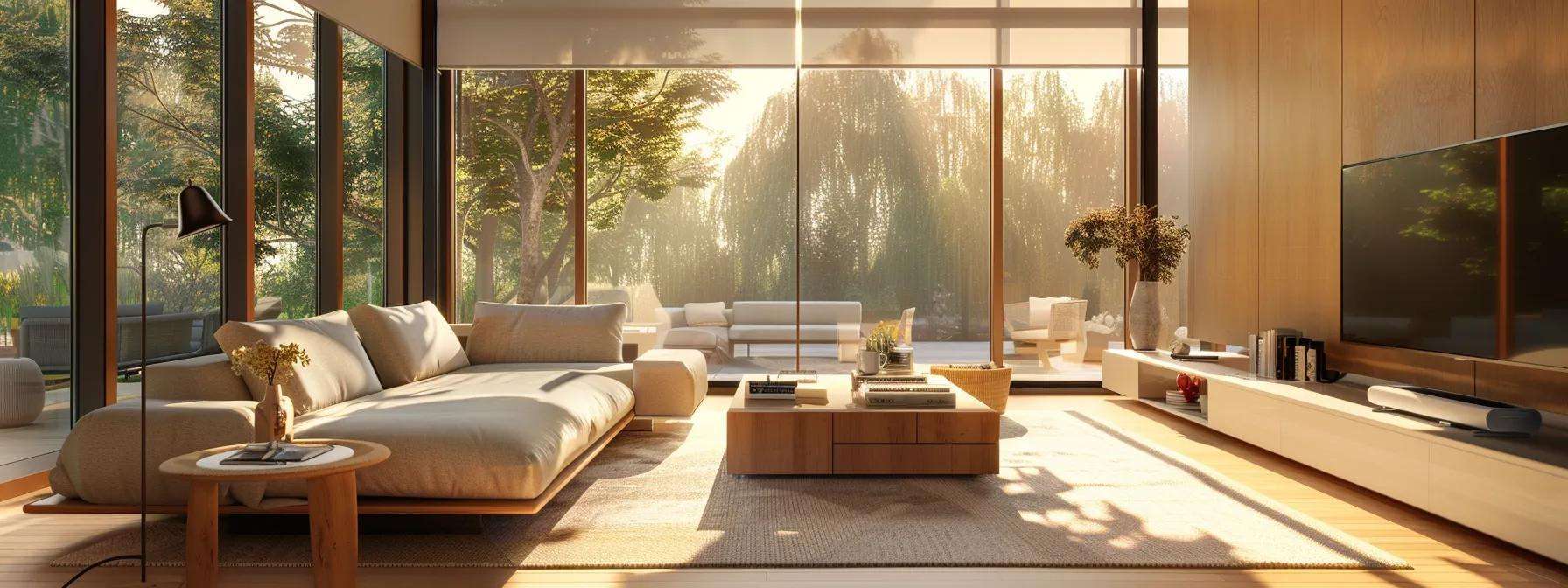
Window insulation is pivotal in achieving home energy efficiency. Proper insulation in the window assembly not only preserves indoor temperatures but also reduces the rate of heat exchange between the home and the outdoor environment. Factors such as multi-pane glass configuration, low emission coatings, gas fills, and advanced seals all contribute to minimizing energy loss. In New Jersey, where the climate transitions between very cold winters and humid summers, insulation performance is critical.
Energy-efficient windows with high insulation values (often measured by their U-factor ratings) have been demonstrated to significantly curtail the energy required for both heating and cooling. Experimental data suggest that upgrading windows to those with superior insulation can reduce overall heating and cooling energy consumption by 10-30%. Additionally, proper insulation reduces the likelihood of condensation and secondary issues like mold growth, which further maintains indoor air quality and overall home safety.
How Much Can NJ Homeowners Save With Energy-Efficient Windows?
The financial benefits of installing energy-efficient windows extend beyond lower utility bills. Homeowners in New Jersey can expect to see savings that often justify the upfront investment over time. According to recent studies, upgrading to energy-efficient windows can reduce energy bills by 10% to 20%, which is significant in regions with high energy demands. In some cases, the return on investment can be realized in as few as five to ten years through cumulative savings, not including potential state and federal rebates.
These projected savings can be even more pronounced when combined with other home energy improvements, such as enhanced insulation or upgraded HVAC systems. Moreover, energy-efficient windows contribute to home resale value by enhancing the overall energy rating—a key selling point in the competitive New Jersey real estate market.
What Are New Jersey Building Codes and Climate Considerations for Sustainable Windows?
Adhering to New Jersey’s building codes is essential for ensuring the safety, durability, and energy efficiency of window installations. The state has implemented regulations that emphasize thermal performance, weather resistance, and longevity, requiring manufacturers and installers to provide products that meet or exceed established energy standards. Understanding these building codes and the specific climate challenges is critical for selecting the right window systems that will perform effectively in New Jersey.
How Do NJ Building Codes Affect Window Installation Requirements?
New Jersey building codes mandate strict guidelines for window installations. These standards are designed to optimize energy efficiency, minimize air leakage, and ensure that window products can withstand the state’s diverse weather conditions. For instance, the codes specify minimum U-factor and Solar Heat Gain Coefficient (SHGC) values that windows must meet, which directly correlate to their insulation effectiveness and ability to manage solar load. Builders and homeowners are required to use products that have been certified by recognized laboratories, ensuring that each installation provides the intended energy savings and structural integrity.
These codes also influence the installation process itself, demanding that installers follow best practices for sealing, weatherproofing, and proper anchorage. Failing to adhere to building codes can result in significant penalties, reduced energy performance, and potential safety hazards. As such, working with experienced contractors familiar with local regulations is indispensable for ensuring that the window replacement project not only enhances energy efficiency but also complies fully with state requirements.
Why Is Climate Adaptation Important for Window Selection in NJ?
New Jersey’s climate is characterized by marked seasonal variations, making climate adaptation a critical consideration when selecting windows. Homes in NJ must be equipped with window systems that can efficiently manage extreme temperature swings, high humidity, and occasional severe weather conditions such as heavy winds or storms. Climate-adapted windows are specifically designed to minimize thermal bridging, resist moisture infiltration, and maintain structural integrity over the long term.
When selecting windows, homeowners must consider performance metrics that directly relate to the NJ climate, such as low U-factor ratings for winter insulation and optimal SHGC values for summer solar control. Additionally, features like robust framing materials, advanced weather seals, and UV-resistant coatings further contribute to sustained performance in a challenging climate. By adopting a climate-adaptive approach, homeowners ensure that their investment not only provides immediate energy savings but also remains resilient and low-maintenance over its lifecycle.
What Are the Benefits of Professional Installation for Sustainable Windows in NJ?
Professional installation is a cornerstone of achieving the highest possible energy efficiency from sustainable window replacements in New Jersey. Even the best-designed window system can underperform if not installed correctly. With expert installation, homeowners benefit from precise fitting, proper sealing, and adherence to the latest building codes. At CKG Contractors, Inc., we provide professional installation services that emphasize quality, safety, and customer satisfaction to ensure that every window meets its full potential in promoting energy savings.
How Does Expert Installation Ensure Maximum Energy Efficiency?
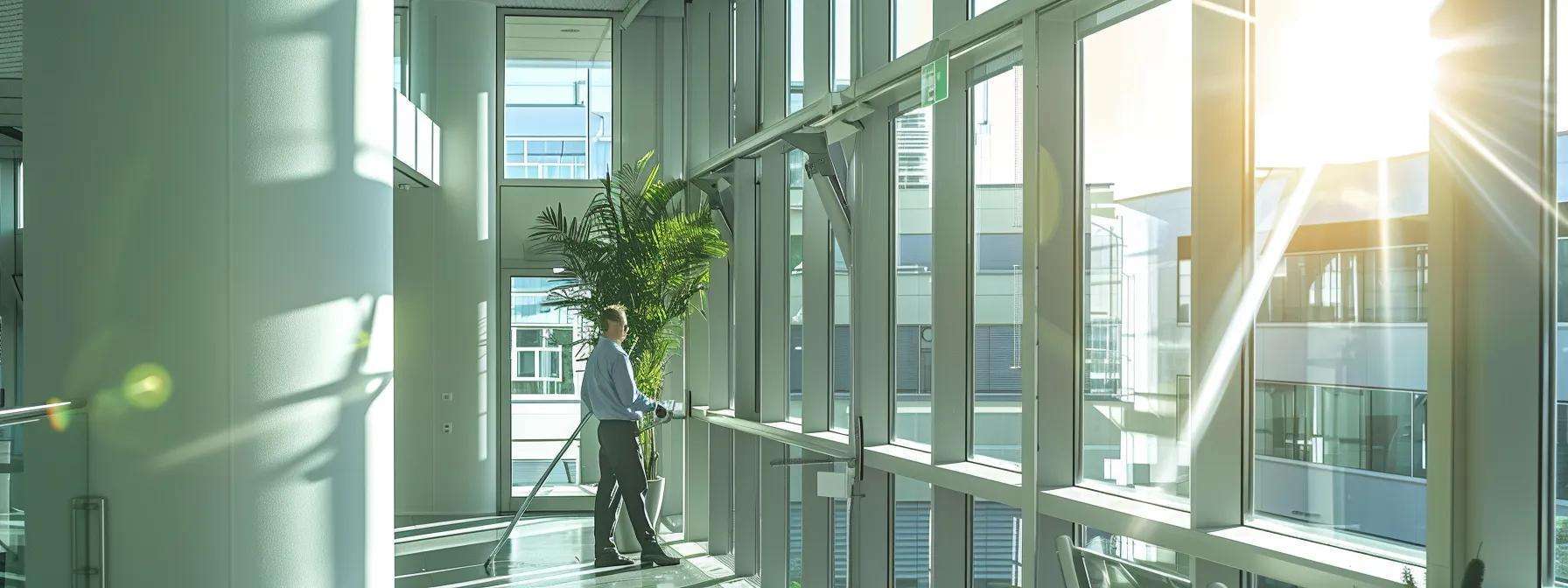
Expert installation is critical because it directly impacts the integrity and performance of the window system. Highly trained installers ensure proper alignment, secure anchorage, and impeccable sealing, all of which are vital for maintaining the window’s insulating properties. Even minor gaps or misalignments can lead to significant air leakage, which undermines the energy efficiency of the entire home. Professional installers use precision tools, industry-standard techniques, and detailed checklists to ensure that every window is installed to the highest standards.
In practice, professionally installed energy-efficient windows have been shown to reduce energy loss by up to 25% compared to poorly installed units. This level of precision not only improves thermal performance but also minimizes maintenance requirements and extends the operational life of the windows. Moreover, professional installation offers warranties and post-installation customer support that provide peace of mind to homeowners, ensuring that any issues that arise are promptly addressed by experts.
What Customer Service Standards Should NJ Homeowners Expect?
When it comes to window replacement projects, delivering exceptional customer service is as important as technical competence. NJ homeowners should expect transparent communication, comprehensive consultations, and tailored post-installation support. Professional contractors provide detailed estimates, explain every step of the process, and offer clear warranties with defined service parameters. At CKG Contractors, Inc., our customer service standards include prompt response times, quality workmanship, and thorough follow-up inspections to verify that the window system is performing as intended. This commitment builds long-term trust and ensures that every installation contributes beneficially to the home’s energy performance and overall value.
How to Choose the Right Sustainable Window Replacement for Your NJ Home?
Selecting the ideal sustainable window replacement for your NJ home is a multifaceted decision that requires careful consideration of factors such as performance, durability, aesthetics, and return on investment. A wide array of options exists in the market, each with distinct advantages and cost implications. It is essential to evaluate your specific needs, budget constraints, and local building conditions before making a decision. Professionals such as those at CKG Contractors, Inc. assist homeowners in navigating these choices by comparing features, benefits, and long-term cost savings.
What Factors Should Influence Your Window Selection?
Several factors should be taken into account when selecting sustainable windows. First, consider the thermal performance ratings, such as the U-factor and Solar Heat Gain Coefficient, as these directly impact energy usage. Next, evaluate the durability and maintenance requirements of the frame material—vinyl, fiberglass, and wood each have unique benefits regarding longevity and upkeep. Aesthetic considerations and how well the windows integrate with your home’s architecture are also key. Additionally, warranties, certifications (like Energy Star), and the reputation of the manufacturer should weigh into your decision. Each of these factors contributes to both immediate comfort improvements and long-term cost savings.
It may be helpful to compare the options by listing out each factor and scoring them based on your priorities. For instance, a high-performance low-E glass with a durable vinyl frame might score excellently in energy efficiency and maintenance simplicity, although its upfront cost might be higher. Considering your long-term energy savings and potential rebates can often offset initial expenses, making a higher-cost option more attractive over time.
How to Compare Costs and Long-Term Benefits of Different Window Options?
Cost comparison should involve a detailed analysis that includes not only the purchase price but also installation expenses, energy savings, and maintenance costs over time. An effective way to compare these is by using a life-cycle cost analysis, which calculates the total cost over the expected lifespan of the windows. In many cases, energy-efficient windows with higher initial costs yield significant savings on heating and cooling bills, eventually reducing their overall financial burden.
For example, a window with a low U-factor might cost 15% more initially, but if it lowers yearly energy bills by an average of 10-15%, the payback period can be just a few years. Financial rewards such as tax incentives, rebates, and increased home resale value further enhance the value proposition. Homeowners should request detailed quotes from multiple suppliers and consult energy auditors who can provide customized projections based on your home’s unique energy profile.
Where Can NJ Homeowners Find Trusted Sustainable Window Providers?
Trusted sustainable window providers are typically local or regional companies with a proven track record, proper certifications, and robust customer reviews. Start by asking for recommendations from friends, architects, or energy auditors who have experience with green building projects. Homeowners should also check for certifications such as Energy Star, NFRC (National Fenestration Rating Council) labeling, and assure that the provider offers a warranty and comprehensive post-installation service. At CKG Contractors, Inc., we work with leading manufacturers to source windows that are not only energy-efficient but also built to withstand New Jersey’s diverse climate conditions. Local trade organizations and online review platforms can help you assess the reliability and performance record of various suppliers.
What Are the Environmental Benefits of Green Building Windows in New Jersey?
Green building windows deliver a range of environmental benefits that extend beyond energy savings. When sustainable window replacements are installed, they contribute to reduced carbon footprints, lower greenhouse gas emissions, and a higher overall energy performance of the home or commercial property. These benefits align with the growing regulatory and social expectations for eco-friendly construction practices in New Jersey and across the nation.
How Do Sustainable Windows Reduce Carbon Footprint?
Sustainable windows are engineered for optimal thermal performance and usually incorporate advanced glazing technologies such as low-E coatings and gas-filled panes that improve insulation. When these windows are installed, they help maintain stable indoor temperatures with minimal reliance on heating and cooling systems. Reduced energy consumption, in turn, leads to lower carbon emissions associated with power generation. Studies indicate that homes upgraded with energy-efficient windows may reduce their annual carbon footprint by as much as 15-20%. Over the lifetime of the windows, these savings contribute significantly to overall environmental preservation efforts by reducing the demand on nonrenewable energy resources.
Furthermore, many green windows are produced using sustainable manufacturing practices that recycle materials and minimize waste, further curbing their environmental impact. These performance metrics not only support individual home sustainability goals but also play a role in broader green building certifications and energy conservation initiatives.
What Role Do Windows Play in Overall Home Green Building Certification?
Windows are a critical component in the building envelope, influencing energy dynamics, indoor air quality, and overall comfort. In the context of green building certifications such as LEED (Leadership in Energy and Environmental Design), Energy Star, and others, windows are evaluated for their energy performance, material sustainability, and impact on occupant health. High-performance windows can contribute significant points toward these certifications, which in turn can increase property value and marketability.
By selecting windows that meet rigorous standards, homeowners demonstrate their commitment to sustainable practices and environmental stewardship. The metrics associated with these certifications often include reductions in energy use, improved durability, reduced waste during production, and enhanced occupant comfort. This holistic approach ensures that every element of the home, including the windows, contributes positively to the environmental impact. Thus, installing green building windows is an investment in both sustainability and future property value.
What Maintenance Tips Extend the Life of Sustainable Windows in NJ Homes?
Maintaining sustainable windows is essential for preserving their energy-efficient performance and extending their functional lifespan. Regular maintenance activities ensure that replacement windows continue to operate optimally, preventing issues such as air leakage, moisture accumulation, and frame deterioration. For homeowners in New Jersey, where weather extremes can lead to greater wear and tear, consistent care is critical for safeguarding both the energy savings and the structural integrity of the windows.
How Often Should Energy-Efficient Windows Be Inspected and Cleaned?
It is recommended that energy-efficient windows be inspected at least twice a year—ideally during the transition seasons of spring and fall—to catch any early signs of wear, such as seal degradation or minor leaks. Regular cleaning of the glass and the frames not only keeps the windows looking pristine but also enhances their thermal efficiency by ensuring that dirt and debris do not interfere with the low-E coatings. During inspection, check for loose fittings, damaged weatherstripping, and any signs of condensation or microbial growth that may indicate compromised seals. Additionally, professional service every few years can prevent more severe issues by addressing potential problems before they escalate into costly repairs.
Frequent cleaning using non-abrasive, eco-friendly cleaning agents is advisable to maintain clarity and performance. Homeowners should also be aware of seasonal challenges, as winter salt and summer humidity can accelerate deterioration if not properly managed. Thus, an organized maintenance routine is key to long-term window performance.
What Are Common Repairs and How to Avoid Them?
Common repair issues with sustainable windows include faulty seals, worn-out weatherstripping, and minor frame damage caused by exposure to harsh weather conditions. Faulty seals can lead to condensation build-up and loss of energy efficiency, while damaged weatherstripping allows drafts that compromise indoor comfort. To avoid these problems, it is crucial to conduct periodic inspections and address issues promptly. Additionally, ensuring that windows are cleaned according to manufacturer guidelines and protected from direct exposure to damaging elements can extend their service life. Utilizing protective films or shades during extreme weather and scheduling annual professional maintenance can help keep repair needs to a minimum and safeguard your investment.
Regular preventive maintenance, including lubrication of moving components and routine inspections of the caulking and seals, mitigates the risk of significant damage. Homeowners who follow these guidelines often experience fewer disruptions and prolonged window performance, ensuring that their energy-efficient systems continue to deliver cost savings and improved comfort.
Detailed Comparative Tables and Lists
Below, I have compiled comprehensive tables and lists to assist in evaluating sustainable window replacement options for New Jersey homes.
Table 1: Comparative Analysis of Window Types for Energy Efficiency
Summary: This table provides a detailed look at various window systems. The data highlights how different combinations of glazing, coatings, and frame materials impact energy savings. Homeowners should prioritize systems providing the lowest U-factor and highest energy savings in accordance with NJ climate requirements.
Insight: Evaluating each window type using these parameters assists in selecting a product that best meets your energy efficiency goals, ensuring significant reductions in utility bills while aligning with sustainability objectives.
Table 2: Lifecycle Cost Analysis Comparison
Summary: This lifecycle cost analysis table provides a financial perspective on various sustainable window options. It showcases the initial investment, ongoing installation costs, annual energy savings, and the estimated payback period for each option.
Insight: Such detailed analysis helps homeowners compare the long-term benefits of investing in higher-cost, high-performance windows versus standard options. Opting for windows with quicker payback periods often means significant energy and cost savings in the longer run.
List of Maintenance Tips for Sustainable Windows
- Regular Visual Inspection – Proactive Check: Schedule biannual visual inspections to detect early signs of wear such as cracks, seal failures, or frame deterioration. This early detection allows for prompt repairs before minor issues escalate.
- Clean Using Eco-Friendly Solutions – Preserve Coatings: Use gentle, non-abrasive cleaning agents specifically designed for low-E coated glass to maintain clarity and performance. Avoid harsh chemicals that might damage the coatings.
- Lubricate Moving Parts – Optimal Functionality: Periodically apply lubricants to window sliders, hinges, and other moving parts to ensure smooth operation and reduce undue wear.
- Replace Weather Stripping – Enhance Sealing: Check and replace weather stripping around the window sashes and frames if it shows signs of deterioration. A good seal is essential for maintaining energy efficiency.
- Professional Service – Expert Assessment: Have a qualified professional conduct thorough maintenance inspections every few years to evaluate the overall performance and structural integrity of the windows.
- Monitor Caulking – Prevent Air Leakage: Regularly inspect and reapply caulk around the window perimeters to prevent drafts and water intrusion.
- Seasonal Adjustments – Adaptation for Climate: Adjust cleaning and maintenance routines based on seasonal changes. For example, more frequent inspections during winter when window stress increases due to temperature fluctuations.
Summary: This list outlines essential maintenance activities necessary to preserve the integrity and performance of energy-efficient windows. Routine care not only enhances longevity but also helps maintain the energy savings that justify your investment.
Insight: A proactive maintenance schedule prevents common problems such as air leakage and moisture intrusion, ensuring that your sustainable windows continue to operate efficiently over their intended lifespan.
Table 3: Key Features Comparison of Sustainable Window Providers
Summary: This table compares key features of sustainable window providers, including their certifications, material options, warranty periods, customer service standards, and customer reviews. Such comparisons help homeowners choose the provider that aligns best with their sustainability goals and service expectations.
Insight: By reviewing these attributes, NJ homeowners can narrow down their provider options to those offering the highest energy efficiency ratings and the best long-term support, ensuring that their window replacement project is successful and sustainable.
Frequently Asked Questions
Q: What are the most important factors to consider when choosing energy-efficient windows for NJ homes? A: The most critical factors include the window’s U-factor and Solar Heat Gain Coefficient (SHGC), which dictate its insulation effectiveness, as well as the presence of low-E coatings. Homeowners should also evaluate the quality of the window frame material, installation practices, and the window manufacturer’s certifications, such as Energy Star and NFRC. These parameters ensure optimal performance in New Jersey’s variable climate.
Q: How does professional installation affect the energy efficiency of new windows? A: Professional installation ensures that windows are fitted perfectly, sealed correctly, and anchored securely, reducing air leakage and maximizing thermal performance. Skilled installers follow precise guidelines that maintain energy efficiency ratings. The proper installation can boost energy savings by up to 25% compared to self-installed windows, while also providing warranties and ongoing service support.
Q: What kind of maintenance is necessary to prolong the lifespan of sustainable windows? A: Maintenance for sustainable windows should include regular biannual inspections, thorough cleaning with non-abrasive formulas, periodic replacement of weather stripping, and professional service checks every few years. These steps help prevent common problems like seal failure and air leakage, ensuring that windows continue to perform efficiently and retain their energy-saving benefits over time.
Q: How do energy-efficient windows contribute to a home’s green building certification? A: Energy-efficient windows are a major component of green building certifications such as LEED and Energy Star ratings. They reduce overall energy consumption by maintaining consistent indoor temperatures and minimizing heating and cooling needs, which lowers carbon emissions. This improved performance, combined with sustainable manufacturing and installation practices, adds substantial points toward a home’s certification and overall market value.
Q: Can the installation of sustainable windows significantly reduce my utility bills? A: Yes, sustainable windows are designed to minimize heat transfer, leading to reduced reliance on heating and cooling systems. This enhanced thermal performance can reduce utility bills by 10% to 20% annually. The actual savings depend on factors such as the home’s size, the efficiency of the existing windows, and local energy rates, but the investment generally offers a favorable return through long-term savings.
Q: Are there any government rebates or incentives available for upgrading to energy-efficient windows in New Jersey? A: Many homeowners in New Jersey may qualify for state and federal incentives when upgrading to energy-efficient windows. Programs such as Energy Star rebates, state tax credits, and utility company incentives can help offset the initial costs of window replacement. It is recommended to consult local energy agencies and trusted window providers who are often knowledgeable about these initiatives and can guide you through the application process.
Q: What advancements in window technology should I look for to ensure maximum energy efficiency? A: Look for windows that utilize multiple panes—such as double or triple-pane systems—filled with inert gases like argon or krypton, combined with low-E coatings to reduce solar heat gain. Additionally, pay attention to frame materials like fiberglass or recycled composite products that offer high durability and low thermal expansion. These technologies, along with modern installation techniques, provide the best long-term energy performance and sustainability benefits.