Table Of Contents:
- The Commercial Roof Replacement Process: Expert Insights From a Top NJ Commercial Roofing Contractor
- What Are the Key Signs Your Commercial Roof Needs Replacement?
- What Are the Step-by-Step Stages in the Commercial Roof Replacement Process?
- Which Commercial Roofing Materials Are Best for NJ Businesses?
- How Do You Choose the Right Commercial Roofing Contractor in New Jersey?
- What Are the Main Cost Factors in Commercial Roof Replacement?
- How Can Businesses Maintain Their Commercial Roof After Replacement?
- What Are Common Challenges and Solutions in NJ Commercial Roof Replacement?
- Frequently Asked Questions
The Commercial Roof Replacement Process: Expert Insights From a Top NJ Commercial Roofing Contractor
An aging or damaged commercial roof can significantly affect a business’s operational efficiency, energy costs, and overall safety. For property managers in New Jersey, understanding when and how to replace a commercial roof is essential. This article provides expert insights into the roof replacement process, ensuring decision makers have the knowledge to initiate a project confidently. With fluctuating weather conditions, potential storm damage repair situations, evolving building codes, and challenges associated with various roofing materials, the replacement process requires both precision and expertise. Key signs of replacement, a step-by-step process, material comparisons for New Jersey’s climate, and contractor selection criteria and cost factors are discussed.
For business owners and facility managers, failure to address roofing issues promptly can result in emergency repairs, downtime, and structural failures. Commercial roofs not only protect valuable assets and inventory but also represent a significant capital investment. As new technologies emerge and sustainability becomes critical in construction, modern roofing systems now incorporate energy efficiency, advanced waterproofing, and greater durability.
New Jersey weather, marked by seasonal extremes, demands roofs capable of withstanding heavy rains, strong winds, and snow or ice accumulation. Early recognition of roof deterioration can prevent expensive emergency repairs and interruptions. This article breaks down the roof replacement process—from initial inspection and material selection to installation and final quality control—in meticulous detail to keep business owners informed about the tasks, challenges, and regulations involved.
The discussion that follows explores the benefits of high-quality roofing systems, evaluates cost factors including materials and labor, and emphasizes the need for proper contractor selection to ensure long-lasting outcomes.
What Are the Key Signs Your Commercial Roof Needs Replacement?
A commercial roof shows clear signs when it nears the end of its functional life, indicating the need for a full replacement. Persistent leaks, extensive wear patterns, and visible degradation of materials are warning signals that should not be ignored.
Water infiltration can cause mold, mildew, and interior damage, while cracking, blistering, and curling of the roofing membrane indicate that the material’s integrity is compromised. Multiple patches and repairs over the years may point to systemic issues that only a full replacement can solve.
If a roof no longer reflects sunlight effectively or maintains proper insulation, increasing energy costs, it is a sign that its protective barrier is failing. Sagging structures and excessive granule loss in asphalt shingles—or rust and wear in metal roofs—also signal that a replacement is necessary. A professional commercial roof inspection is essential to decide whether repairs are sufficient or a complete replacement is required.
When repairs no longer restore an acceptable level of protection during harsh New Jersey weather, a full replacement becomes the sustainable and economical choice. An experienced industrial roofing contractor can determine whether to repair or replace to ensure a resilient, energy-efficient, and code-compliant roof.
How to Recognize Common Commercial Roof Problems
Commercial roofs face several problems that vary by construction type and age. One common issue is water ponding on flat or low-slope roofs, which can create soft spots, accelerate membrane deterioration, and lead to leaks. Blistering from trapped moisture and air pockets is another concern that can result in premature roof system failure.
Cracking, especially in materials exposed to extreme temperature fluctuations, reduces the effective cover of the roof and invites leaks. Heavy traffic on roofs—from maintenance or equipment—can cause punctures and abrasions, further deteriorating the system. Additionally, falling debris during storms may inflict repeated impact damage.
UV degradation from prolonged sun exposure causes discoloration and reduces material strength, a significant issue under New Jersey’s hot summer conditions. The growth of algae or moss in shaded or moist areas also reduces the roof’s water-shedding capability.
Professional inspections using thermal imaging and moisture meters can detect underlying problems before they become visible, and anomalies in energy bills can corroborate deteriorating roof performance. Early detection allows owners to decide on timely replacement to protect their assets and improve sustainability.
When Is Roof Repair Not Enough?
While minor leaks and surface scratches can be remedied, there comes a point when patching is only a temporary fix for underlying issues. Roof repairs that cover less than 25% of the roof may work briefly, but if repairs become patchwork on an aging system, a full replacement usually becomes inevitable.
Frequent repair calls indicate a roof operating beyond its design capacity. Persistent water leaks, repeated pigment loss, and signs of structural sagging or warping all suggest that the roofing material has lost its integrity. Such repeated repairs not only incur increasing costs but may also cause collateral damage to the building interior.
If repairs do not extend the roof’s useful life by at least 5–7 years, particularly under New Jersey’s harsh winter and heavy rainfall conditions, a complete replacement is the more sustainable choice. A full replacement allows for the use of advanced materials like TPO, EPDM, or metal that offer improved longevity and extended warranties.
Ultimately, the decision to replace rather than continually repair is driven by economic factors and enhanced safety. Investing in a new roof provides a stable, efficient, and fully insured solution that meets modern standards.
How Does New Jersey Weather Impact Roof Lifespan?
New Jersey experiences a wide range of climatic conditions that can significantly shorten a commercial roof’s lifespan. Hot, humid summers, seasonal hurricanes, frequent winter freeze-thaw cycles, and heavy spring rainfall all contribute to roofing challenges. These weather fluctuations cause thermal expansion and contraction, which gradually deteriorate roofing materials.
High humidity and heavy rains promote moisture penetration, mold growth, corrosion on metal surfaces, and blistering in single-ply membranes. Coastal areas are especially vulnerable to salt exposure, which accelerates rust. In winter, snow and ice add weight and can form ice dams, putting extra stress on the roof structure. The repeated stresses from freeze-thaw cycles may crack and weaken substrates, reducing the lifespan of materials like asphalt shingles and modified bitumen.
Strong winds and storms, including nor’easters, can lift and damage roof coverings, causing granular loss and punctures. Without proper drainage and regular inspections, these adverse effects are magnified.
Modern roofing systems in New Jersey are designed with materials offering high UV resistance, flexibility, and advanced waterproofing. Many commercial roof replacements now feature membranes engineered to withstand expansion, contraction, and forces from high winds. In summary, a roof’s longevity in New Jersey depends heavily on its ability to adapt to harsh seasonal weather, emphasizing the need for regular maintenance and prompt replacement when necessary.
What Are the Step-by-Step Stages in the Commercial Roof Replacement Process?
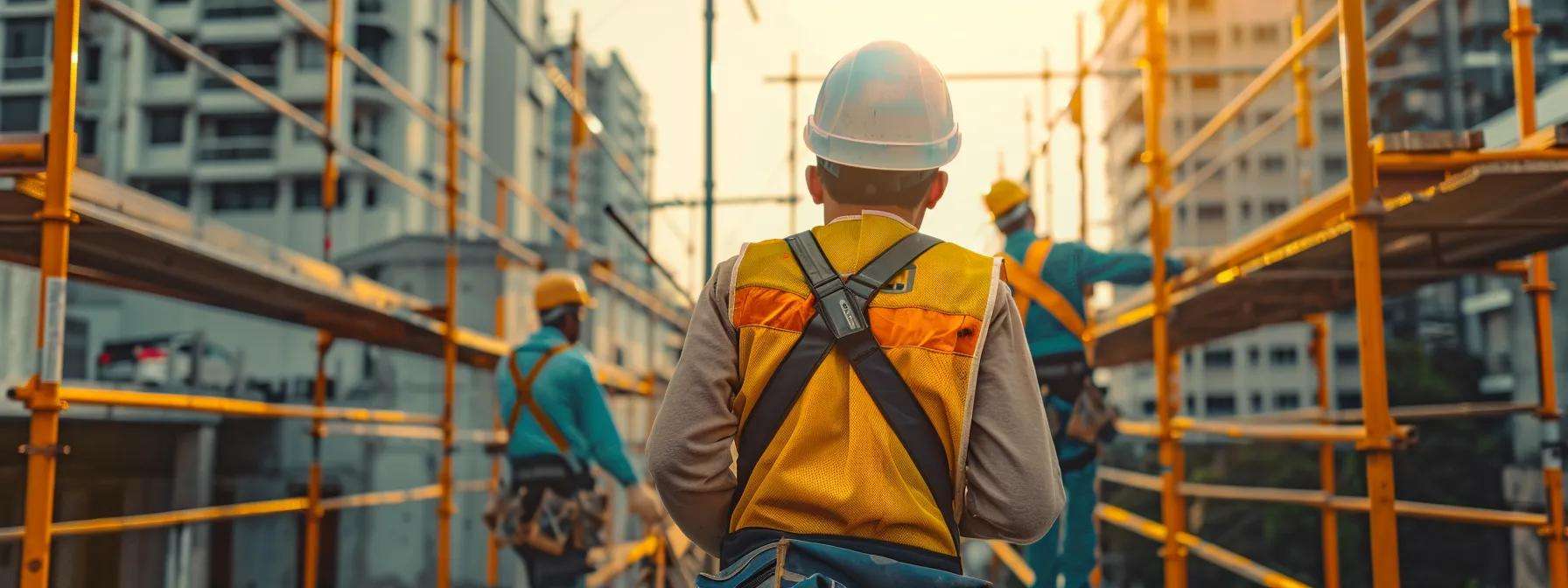
Successful commercial roof replacement follows a series of distinct stages to ensure durability and safety. Each phase—from the initial inspection to final quality control—is critical to achieving a high-quality installation.
The process begins with a thorough roof inspection and assessment by experienced professionals who evaluate the overall condition, identify areas of extensive damage, and document the state of elements such as the insulation, boards, and waterproofing layers. This detailed evaluation forms the basis for deciding whether repairs are sufficient or a complete replacement is warranted.
After the inspection, a comprehensive project plan is developed in consultation with all stakeholders. This plan outlines timelines, material selections, and the techniques needed for replacement. Securing permits from local authorities is also essential to ensure full compliance with New Jersey’s building codes and safety regulations. Project planning includes ordering necessary materials, coordinating labor, and arranging for any subcontractors.
Next comes the tear-off and site preparation phase. During this stage, the existing roofing materials are methodically removed—taking care to safely dispose of any hazardous debris—while the roof deck is checked and reinforced as needed. Thorough site preparation provides a clean, even substrate for the new installation, which is crucial for the system’s long-term performance.
Installation follows, where the new roofing system is applied. Whether the chosen system is TPO, EPDM, modified bitumen, metal, or PVC, the process involves installing insulation layers, vapor barriers, and the roofing membrane with precision. Special techniques such as heat welding, adhesive bonding, or mechanical fastening are used to secure seams and ensure waterproofing. Continuous on-site quality control ensures that installation adheres to the necessary standards.
After installation, a final quality control and inspection is performed by both the contractor and an independent inspector. This stage verifies that every component—from seams to flashings—is installed properly and meets design specifications. Any identified defects are promptly corrected before the project is signed off, and the owner receives complete documentation including warranty and maintenance guidelines.
Finally, post-installation, contractors provide warranty details and establish a maintenance plan to ensure that the new roof remains in optimal condition. This post-installation phase is essential for preserving the roof’s longevity and protecting the owner’s investment.
How Is the Initial Roof Inspection and Assessment Conducted?
The initial roof inspection is a systematic evaluation utilizing visual checks, moisture tests, thermal imaging, and structural evaluations. Certified inspectors carefully examine the roofing membrane, insulation layers, flashings, and deck structure to detect severe wear or water damage. Temperature variations are measured with infrared technology to spot hidden moisture intrusions. Photographs and detailed notes are compiled into a comprehensive report, which guides the subsequent decision on repairing versus replacing the roof. This rigorous assessment minimizes surprises during later phases and sets a solid foundation for successful project planning.
What Factors Influence Material Selection for Commercial Roofs?
Material selection depends on several critical factors, including the building’s usage, local weather conditions, energy efficiency requirements, and budget constraints. In New Jersey, materials must provide robust waterproofing, superior insulation, and long-lasting durability. For example, TPO roofing is popular due to its excellent solar reflectivity and energy-saving potential, while EPDM is favored for its durability and ease of repair.
Cost is a significant consideration; higher-end materials like metal may offer longevity with lower maintenance, but their upfront costs might be prohibitive compared to modified bitumen. Contractor recommendations, regional performance data, and available warranties all influence the decision. Environmental factors are also increasingly important, leading many owners to select materials that offer lower carbon footprints and improved sustainability. Ultimately, aesthetics and building compatibility further guide material selection, ensuring that the chosen system meets both functional and regulatory requirements.
How Are Permits and Project Planning Managed in NJ?
In New Jersey, obtaining proper permits and coordinating project planning are essential first steps. Contractors work closely with local building departments to secure all necessary permits, ensuring that the project complies with state and municipal codes and that work is executed by licensed professionals. Detailed project plans are developed to schedule work efficiently, communicate timelines to all stakeholders, and establish cost estimates, risk assessments, and contingency plans. Early planning addresses issues such as weather delays, equipment availability, and the coordination of subcontractors, ensuring the project proceeds smoothly while meeting all regulatory requirements.
What Happens During Tear-Off and Site Preparation?
Following permits and planning, the tear-off and site preparation stage begins. During this phase, all existing roofing materials, flashings, and deteriorated insulation are carefully removed, exposing the underlying roof deck. Contractors employ specialized tools and safety measures to minimize debris and potential damage. The site is then prepared by reinforcing the roof deck if necessary and ensuring that moisture is absent, providing a smooth, even surface for the new roof installation. Thorough site preparation is critical, as it directly impacts the adhesion and longevity of the new roofing system while ensuring the safety of workers and building occupants.
How Is the New Roof Installed and Secured?
Installation is the centerpiece of the replacement process. The process begins with applying new insulation and vapor barrier layers, followed by the systematic placement of the roofing membrane. Whether using TPO, EPDM, modified bitumen, metal, or PVC, each layer is installed with meticulous attention to detail. Techniques such as mechanical fastening, adhesive bonding, or heat welding secure seams to prevent leaks. Special care is taken around roof penetrations, flashings, and edges to ensure all joints are watertight. Continuous quality control by on-site inspectors ensures that every installation step meets manufacturer guidelines and local standards, providing a secure and durable roof that stands up to New Jersey’s harsh weather conditions.
What Does Final Quality Control and Inspection Involve?
Final quality control is a comprehensive inspection conducted once the new roof is installed. Both the contractor and an independent inspector review every aspect of the installation to confirm that all components—seams, flashings, insulation layers, and membranes—adhere to design specifications and manufacturer guidelines. Detailed inspection reports, including high-resolution images and performance test results, are compiled. Any defects identified during this critical stage are promptly remedied before the project is signed off. The completed documentation, which includes warranty and maintenance information, provides the building owner with assurance regarding the quality and longevity of the new roofing system.
How Are Warranties and Maintenance Handled Post-Installation?
After the roof installation, contractors present comprehensive warranty and maintenance plans. Warranties typically cover both materials and labor, often extending from 10 to 20 years, and protect against manufacturing defects and installation failures. Maintenance protocols include scheduled inspections, routine cleaning to remove debris, and prompt repairs of minor issues. Periodic professional inspections—especially following severe weather—help catch emerging issues early, thereby extending the roof’s lifespan and preserving the warranty. Detailed maintenance guides, warranty certificates, and contact information for follow-up service are provided, ensuring that the commercial roof remains in optimal condition through proactive care.
Which Commercial Roofing Materials Are Best for NJ Businesses?
Choosing the ideal roofing material for New Jersey involves balancing performance under local weather, cost, installation complexity, and longevity. Each material presents distinct advantages and drawbacks that must be weighed against the specific needs of the facility, energy efficiency objectives, and long-term maintenance plans.
TPO roofing is highly favored because of its excellent energy efficiency, superior solar reflectivity, and lightweight nature, which simplifies installation. However, TPO may require periodic maintenance to ensure seam integrity.
EPDM roofing, constructed from synthetic rubber, offers exceptional durability and flexibility to withstand extreme temperature fluctuations. Its one-piece membrane design minimizes seams and leak potential, although its standard dark color may absorb heat unless treated with reflective coatings.
Modified bitumen provides a cost-effective yet durable solution, especially for retrofitting older buildings. Its asphalt-based composition, modified with polymers, enhances resistance to freeze-thaw cycles and UV damage, though it requires precise installation techniques.
Metal roofing systems, including steel and aluminum, are renowned for their longevity, a sleek appearance, and low maintenance requirements. While the high initial cost is offset by durability and recyclability, proper insulation is crucial to avoid heat loss.
PVC roofing combines the durability of metal with the ease of single-ply installation. It offers excellent chemical resistance, fire-retardancy, and energy efficiency, though it may come at a premium cost compared to other options.
Ultimately, choosing the right material depends on the building’s intended use, environmental exposure, and maintenance budget. Contractors carefully assess factors such as expected lifespan, energy savings, and aesthetics to recommend a system that aligns with the facility’s specific needs and New Jersey’s climatic challenges.
What Are the Benefits and Drawbacks of TPO Roofing?
TPO roofing offers significant benefits including high solar reflectivity, reduced heat absorption, and lower energy costs. Its lightweight nature eases installation and minimizes structural load, while enhanced puncture resistance provides durability. However, improper installation can lead to seam failures, and periodic maintenance is required to maintain its efficiency. Overall, TPO is a versatile option for irregular roof geometries, although it might not always be the most cost-effective choice.
How Does EPDM Roofing Compare for Commercial Use?
EPDM roofing is widely respected for its durability and resilience in extreme weather. The synthetic rubber composition allows the roof to flex with temperature changes without cracking, and fewer seams reduce the risk of leaks. While its dark color can lead to higher heat absorbance, using reflective coatings can mitigate this issue. EPDM is a proven, low-maintenance option that is especially suitable for the variable climates of New Jersey.
When Is Modified Bitumen Roofing Ideal?
Modified bitumen roofing is ideal for older buildings or structures undergoing retrofits. Its blend of asphalt and polymers offers a balance of elasticity and strength, effectively resisting freeze-thaw cycles and ultraviolet damage. Though it is a cost-effective option, modified bitumen requires precise installation techniques, such as the torch-down method, and periodic inspections to detect potential failure points.
What Are the Advantages of Metal and PVC Roofing Systems?
Metal roofing systems are celebrated for their longevity, superior fire resistance, and sleek aesthetics. They offer a long service life, are recyclable, and require minimal maintenance, although they come with a higher initial cost and demand proper insulation. Conversely, PVC roofing systems provide robust chemical resistance, fire-retardancy, and energy efficiency with lower maintenance needs. Both metal and PVC cater to distinct project demands—metal for visual appeal and durability, PVC for ease of installation and chemical resistance.
How to Choose the Right Material Based on Building Type?
Selecting the right roofing material involves evaluating the building’s function, environmental exposure, and long-term maintenance budget. For instance, a manufacturing facility with high foot traffic may benefit from TPO for its durability and ease of repair, while an office building might opt for metal roofing for its longevity and minimal maintenance requirements. By comparing cost, energy efficiency, durability, and aesthetics, contractors can recommend a tailored solution that enhances property value and ensures sustainable operations in New Jersey.
How Do You Choose the Right Commercial Roofing Contractor in New Jersey?
Choosing the right roofing contractor is critical for a successful roof replacement. Business owners should evaluate contractors based on licensing, insurance, experience, and customer feedback. An ideal contractor is well-versed in local building codes, maintains strong industry relationships, and offers comprehensive warranties that protect the investment.
A licensed contractor in New Jersey demonstrates compliance with state regulations and holds current certifications to ensure quality work. Proper insurance, including liability and workers’ compensation, safeguards property owners against potential financial liabilities during the project. Contractors with significant experience in commercial roof replacements provide proven solutions tailored to New Jersey’s unique climate.
Customer testimonials, case studies, and positive reviews serve as external validations of a contractor’s reliability. Transparent pricing, detailed itemized bids covering materials, labor, permit fees, and contingencies are essential. Contractors who offer both standard and extended warranties, and who maintain clear communication throughout the project, help minimize disruptions to business operations.
What Licensing and Insurance Should a Contractor Have?
A reputable contractor must hold all the necessary New Jersey state and local licenses, be fully bonded, and have comprehensive insurance covering liability and workers’ compensation. This ensures quality workmanship and offers financial protection in case of on-site accidents or damage.
How Important Is Experience and Reputation?
Experience and a solid reputation are paramount. Contractors with decades of experience understand local climate challenges and have established procedures to address unexpected issues. Positive customer testimonials and industry awards further reinforce a contractor’s ability to deliver high-quality results. Their in-depth understanding of commercial roofing systems leads to efficient project management and minimal disruption.
What Role Do References and Customer Reviews Play?
References and customer reviews are crucial for assessing a contractor’s past performance and reliability. Prospective clients should request detailed references and visit completed projects if possible. Reviews on third-party platforms and local directories provide insights into the contractor’s quality, communication, and adherence to timelines. Verifiable references help determine satisfaction levels and the contractor’s capacity to handle complex projects, mitigating risks of poor workmanship.
How Do Warranty and Guarantee Options Affect Your Choice?
Warranty and guarantee options act as a safety net, ensuring the roofing system performs as expected over time. Contractors offering extended warranties demonstrate confidence in their work and materials, reducing the risk of future repair costs. Detailed warranty documentation covering workmanship and materials is important to compare during contractor evaluations, influencing the overall value and durability of the project.
What Are Typical Cost and Payment Options Offered?
Costs for commercial roof replacements vary by material, building size, and project complexity. Contractors provide detailed, itemized bids that include material, labor, permit fees, and contingencies. Payment options often involve upfront deposits with milestone-based installments, and some contractors offer in-house financing or work with third-party lenders to ease cash flow. Transparent pricing and flexible payment options are key factors in making an informed decision.
What Are the Main Cost Factors in Commercial Roof Replacement?
Accurate budgeting for roof replacement involves understanding various cost factors including material costs, labor expenses, permitting fees, and additional planning or engineering costs. Material prices vary based on the chosen system—TPO, EPDM, modified bitumen, or metal—with higher-quality materials offering longer lifespans and better energy efficiency typically costing more upfront.
Labor costs cover the entire process from tear-off to installation and quality control. Permitting and planning fees, which include inspections and administrative costs, add to the total expense. Additional costs may be incurred for reinforcing the roof deck or upgrading insulation, along with expenses for safety equipment, debris removal, and complying with environmental guidelines. Detailed, itemized quotes from multiple contractors help business owners negotiate and plan budgets effectively, ensuring that quality is not sacrificed for cost.
How Do Material Costs Vary by Roofing Type?
Material costs differ significantly among roofing systems. Metal roofs command higher prices due to their longevity and superior protection, while EPDM and TPO offer more cost-effective alternatives with comparable performance. Factors such as energy efficiency ratings and UV resistance further impact pricing. A careful cost comparison allows property owners to balance upfront costs with long-term savings in maintenance and energy performance.
What Labor Costs Should You Expect in NJ?
Labor costs in New Jersey are determined by regional market rates, project complexity, and crew size. Skilled labor is essential to properly manage the complete replacement process, including tear-off, site preparation, installation, and inspections. Although insured, experienced crews might command higher wages, their efficiency and quality often result in lower overall costs. Reviewing detailed labor estimates alongside material quotes is key for a comprehensive understanding of the project’s expense.
How Do Permitting and Planning Fees Impact Total Cost?
Permitting and planning fees, although sometimes overlooked, are critical for ensuring compliance with local codes. In New Jersey, these fees cover inspections, permit processing, and administrative work, and can add several thousand dollars to the project cost. However, these expenses are a necessary investment to avoid delays and future regulatory issues, thereby protecting the overall investment in the roofing system.
What Financing Options Are Available for Commercial Roof Projects?
Financing options vary based on the contractor and the property owner’s financial situation. Many contractors offer in-house financing plans or collaborate with third-party lenders, while business owners may also consider commercial loans or lines of credit dedicated to property improvements. Transparent financing arrangements that align with project milestones help maintain steady cash flow and mitigate the burden of upfront costs, ensuring that a high-quality roofing system is obtained without jeopardizing other operational priorities.
How Can Businesses Maintain Their Commercial Roof After Replacement?
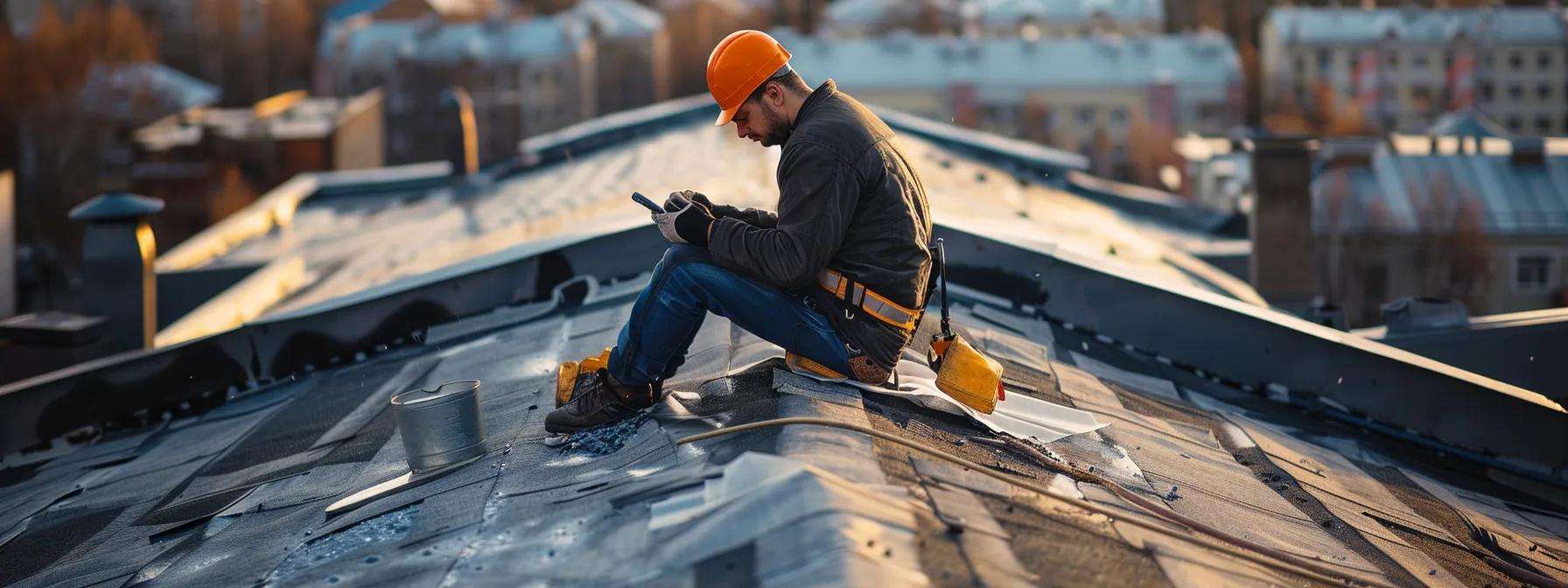
Post-installation maintenance is essential to extend the life of a new commercial roof. Consistent routine inspections, preventive cleaning, and prompt repairs are the cornerstones of an effective maintenance plan. By scheduling regular professional evaluations, property owners can address minor issues before they escalate into costly repairs.
Preventive measures include periodic debris removal, ensuring that drainage systems remain unobstructed, and regular inspection of flashings and sealants to prevent water intrusion, mold growth, and premature aging. Effective maintenance also involves restoring protective coatings and performing small repairs as needed, which safeguard the roof during New Jersey’s variable weather conditions.
Many contractors offer maintenance contracts that provide seasonal inspections and emergency repair services, ensuring that professional assistance is readily available. A well-documented maintenance schedule not only helps preserve the roof’s performance but also ensures that warranty conditions are maintained over time.
What Preventative Maintenance Practices Extend Roof Life?
Key preventative practices include regular cleaning of gutters and downspouts, clearing debris, and scheduling bi-annual inspections to detect discoloration, cracking, or pooling water. Consistent application of sealants and timely spot repairs helps prevent minor issues from evolving into major damages.
How Are Leak Repairs Handled Efficiently?
Efficient leak repair requires a swift response from experienced teams using emergency service protocols. Contractors typically employ temporary solutions to minimize water damage while preparing for comprehensive repairs. Prompt action helps reduce downtime and preserves the overall integrity of the roof while limiting disruptions to business operations.
Why Is Gutter Cleaning Important for Roof Health?
Gutter cleaning is critical because clogged gutters can lead to water overflow, damaging the roofing membrane and the building’s foundation. Regular cleaning ensures proper water drainage, reducing the risk of leaks, ice dams, and structural decay.
What Are Common Challenges and Solutions in NJ Commercial Roof Replacement?
Commercial roof replacement projects in New Jersey face challenges due to variable weather, labor market constraints, and stringent local building codes. Adverse weather conditions such as heavy rains, strong winds, and freeze-thaw cycles can delay projects and complicate installation.
Contractors mitigate these issues through flexible scheduling, contingency planning, and strategic material stockpiling. Close collaboration with local authorities helps ensure compliance with regulations even during unpredictable weather. Labor shortages are addressed by investing in skilled training, subcontracting, and utilizing project management software to maintain a steady workflow.
Local building codes influence roofing choices by mandating specific safety and performance standards, prompting the adoption of advanced roofing systems that offer improved energy efficiency and sustainability. Meanwhile, sustainable options like green roofs and recycled materials are gaining traction as businesses strive to reduce their environmental impact and meet corporate sustainability goals.
In summary, strategic planning, quality labor, and advanced technology enable contractors to overcome common challenges, delivering secure, energy-efficient, and long-lasting roofing systems despite the hurdles.
How Do Weather Conditions Affect Project Timelines?
Severe weather, including heavy rain and snow, can delay material delivery and outdoor work. Contractors plan for such contingencies by adjusting schedules and maintaining extra supplies to ensure project continuity.
What Are Strategies to Overcome Labor Shortages?
To combat labor shortages, contractors expand recruitment efforts, utilize specialized subcontractors, and invest in training programs. These strategies ensure that a steady pool of skilled workers is available to meet project demands.
How Do Local Building Codes Influence Roofing Choices?
Local building codes set requirements for fire resistance, energy efficiency, and installation methods. Contractors must stay current with these regulations to select appropriate materials and techniques, ensuring projects meet all safety standards.
What Sustainable Roofing Options Are Growing in Demand?
Sustainable roofing options, including green roofs, recycled membrane systems, and systems integrated with solar panels, are becoming increasingly popular. These eco-friendly solutions reduce energy consumption and environmental impact, aligning with both regulatory requirements and corporate sustainability goals.
Frequently Asked Questions
Q: What is the most critical sign a commercial roof needs replacement? A: Persistent deterioration beyond simple repairs is the most critical sign. Widespread blistering, cracking, or sagging—along with frequent emergency repairs, rising energy costs, and water infiltration—indicate that repair is no longer sufficient. A professional inspection is essential to determine when full replacement is necessary to avoid long-term damage and costly disruptions.
Q: How long does the commercial roof replacement process typically take? A: The entire process generally takes four to eight weeks, including inspection, permitting, tear-off, installation, and quality control. The timeline may vary based on building size, material selection, weather, and permitting requirements. Experienced contractors and proper scheduling help minimize impacts on business operations.
Q: What maintenance practices are recommended after installing a new roof? A: Post-installation maintenance should include regular inspections, cleaning of gutters and downspouts, and prompt repairs of any minor issues such as sealant degradation or debris buildup. Annual professional inspections, especially after severe weather events, help extend roof life, maintain energy efficiency, and keep warranties intact.
Q: Why is it important to choose a contractor with proper licensing and insurance? A: A contractor with verified licensing and comprehensive insurance adheres to local codes and standards, ensuring quality workmanship. Proper insurance protects property owners from potential liabilities arising from on-site accidents or damage, minimizing financial risks throughout the project.
Q: How do weather conditions in New Jersey specifically impact roofing projects? A: New Jersey’s variable weather—including heavy rain, strong winds, and extreme temperature fluctuations—can accelerate roof deterioration and affect project timelines. Freeze-thaw cycles may cause cracking, while high temperatures can lead to thermal expansion and seam failures. These challenges require careful planning and the selection of climate-appropriate materials.
Q: What financing options are typically available for a commercial roof replacement project? A: Financing options include in-house financing through the contractor, installment payment plans, and commercial loans or lines of credit for property improvements. Flexible financing arrangements help ease upfront costs without compromising the quality of the roofing system.
Q: How do sustainable roofing systems benefit NJ businesses? A: Sustainable roofing systems, such as green roofs or those with integrated solar panels, reduce energy costs and environmental impact. They meet stricter building codes and support corporate sustainability goals, leading to long-term cost savings and enhanced market reputation.